Art House Cinema Week Kicks Off Across New York City

made-in-nyNew York City is shining a spotlight on independent film as the first-ever Art House Cinema Week New York begins today, running March 20–26.

The citywide initiative, backed by the NYC Mayor’s Office of Media and Entertainment and Art House New York, brings together nearly 30 independent theaters for a week of special programming, discounted tickets, and community-focused screenings.

The event also includes 5,000 free tickets funded by the city, aimed at making art house cinema more accessible. Additional perks include discounted memberships and concessions, with select groups—such as students, teachers, veterans, and SNAP/EBT cardholders—eligible for free admission at participating locations.

Designed to encourage audiences to reconnect with local theaters, the week highlights the role of independent cinemas as cultural and community hubs across the city.

More details and full programming are available at arthouseny.org.

Share

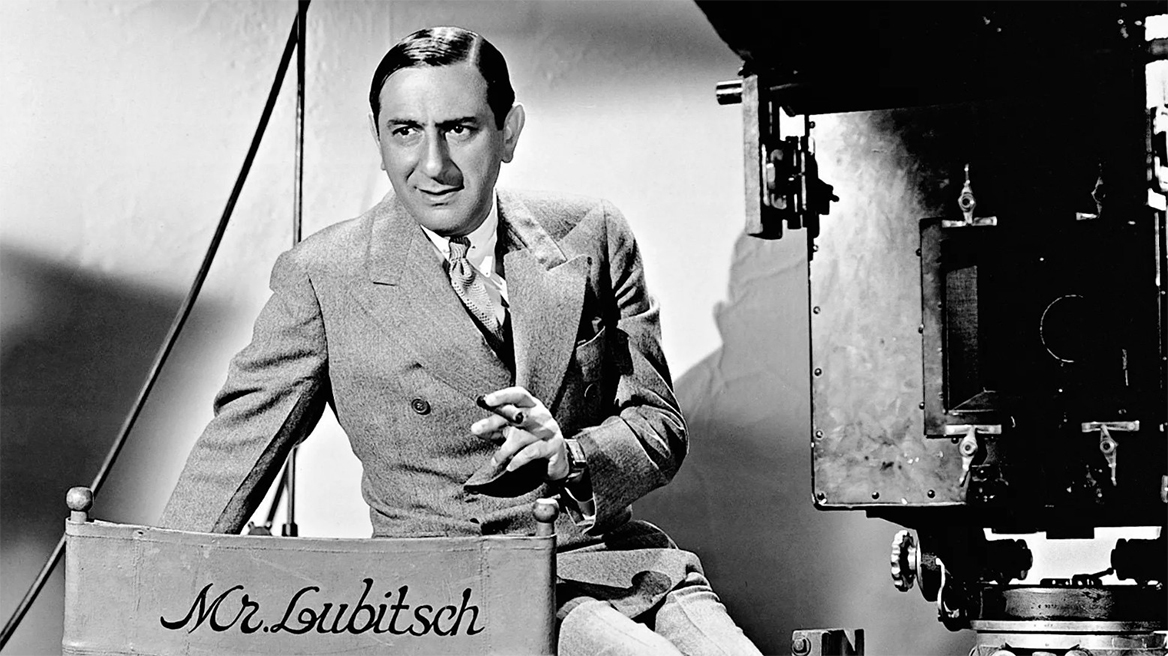
Film Forum to Present Ernst Lubitsch Retrospective The Lubitsch Touch in April

The-Lubitsch-Touch

Film Forum

Film Forum will celebrate legendary filmmaker Ernst Lubitsch with a special 13-film retrospective titled The Lubitsch Touch, beginning Tuesday, April 7 in New York.

The series will feature weekly screenings of some of Lubitsch’s most influential films, including Ninotchka, The Shop Around the Corner, Trouble in Paradise, Heaven Can Wait, Design for Living, Cluny Brown, and To Be or Not to Be, among others.

Known for his sophisticated humor and subtle visual storytelling, Lubitsch helped shape the modern romantic comedy and movie musical after moving from Germany to Hollywood in the early 20th century. His distinctive style became widely known as “The Lubitsch Touch.”

The series will run Tuesday evenings with select additional screenings, highlighting Lubitsch’s enduring influence on classic Hollywood cinema.

Share

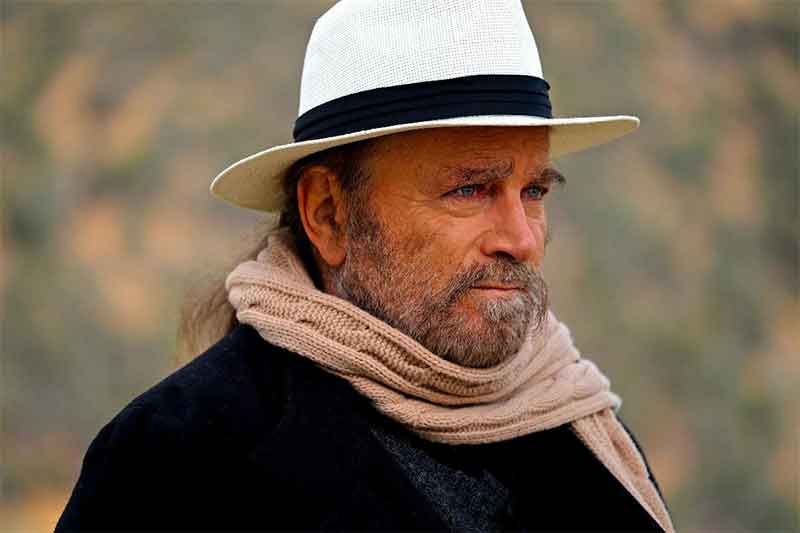
Franco Nero to Present Silent Life Final Cut in Hollywood

franco-nero

Franco Nero, Silent Life: The Rudolph Valentino Centennial Final Cut

Franco Nero will present a special Hollywood preview of Silent Life: The Rudolph Valentino Centennial Final Cut on Monday, February 16 at the Hollywood Forever Masonic Lodge.

The screening will be followed by a Q and A moderated by film critic Leonard Maltin. The event comes days after Nero receives a star on the Hollywood Walk of Fame on February 12.

Directed by Vladislav Alex Kozlov, Silent Life revisits the life and legacy of silent film star Rudolph Valentino on the centennial of his death. Nero, who portrayed Valentino in 1975’s The Legend of Valentino, lends his voice to the role in the new film. The cast also includes Terry Moore, Isabella Rossellini, Sherilyn Fenn, Paul Rodriguez, and Monte Markham.

The 2026 version is described as a newly completed director’s cut. The film has previously screened at festivals including Sedona, WorldFest Houston, and Rhode Island International Film Festival. A limited number of tickets are available for the February 16 event.

Share

Big Girls Don’t Cry Premieres at Sundance World Cinema Dramatic Competition

By Armando

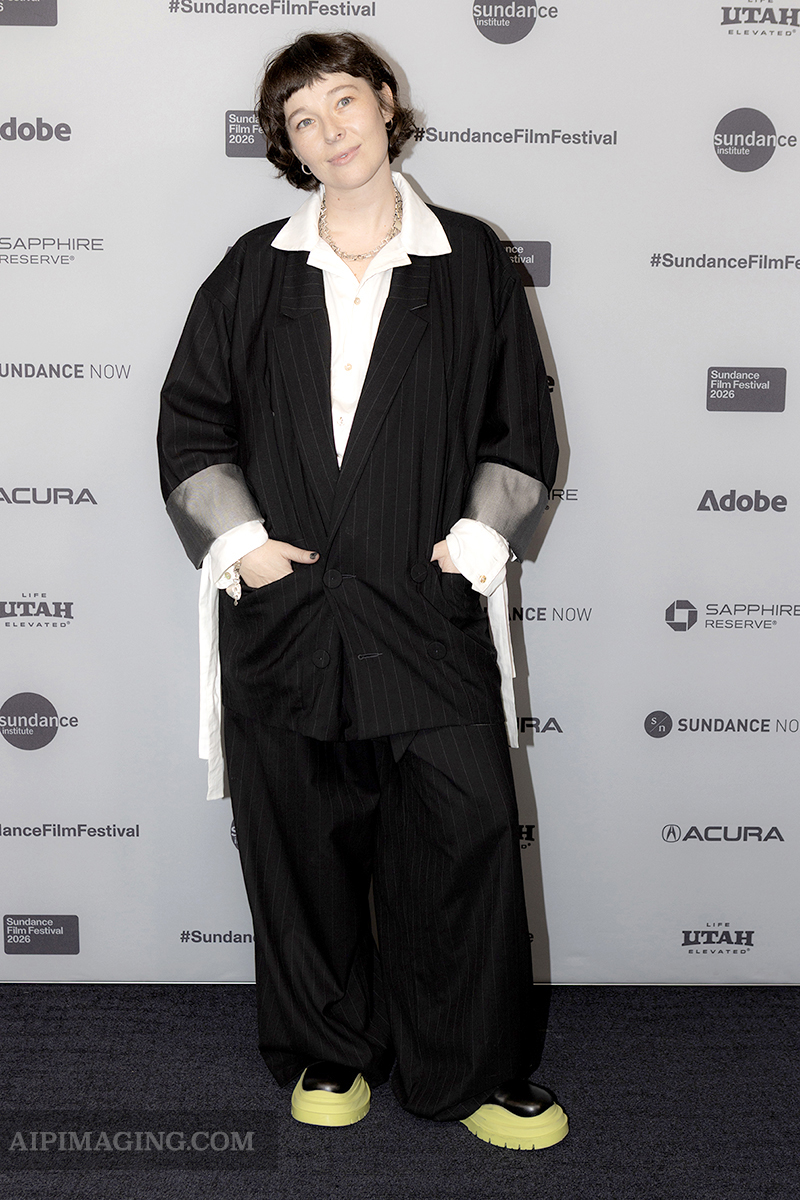
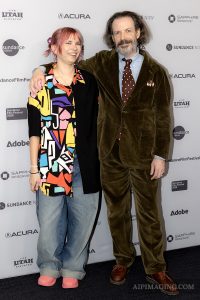
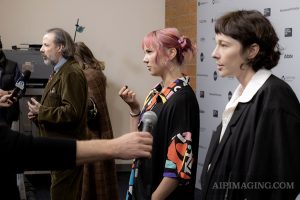
Writer Director Paloma Schneideman

Writer Director Paloma Schneideman

Big Girls Don’t Cry premiered Saturday, January 24, at the Sundance Film Festival, screening at The Ray Theatre in Park City as part of the World Cinema Dramatic Competition. The afternoon screening was preceded by a red carpet press line, where the film’s creative team gathered for photos and interviews ahead of the first public showing.

In attendance were writer-director Paloma Schneideman, lead cast members Ani Palmer, Rain Spencer, and Noah Taylor, along with producers and executive producers connected to the project. The atmosphere reflected the film’s debut status, with the team marking its introduction to festival audiences following its New Zealand production.

Set in rural New Zealand in 2006, Big Girls Don’t Cry follows 14-year-old Sid Bookman over the course of a formative summer as she navigates early desire, shifting friendships, and the influence of the early internet. The film centers on observation rather than spectacle, placing its young protagonist in everyday situations that quietly shape her sense of identity and belonging.

The premiere screening in Park City was the film’s first stop at the festival, with additional in-person and online screenings scheduled as Sundance continues through the end of January.

Share

Returns to NYC in New 4K Restoration: Can She Bake a Cherry Pie

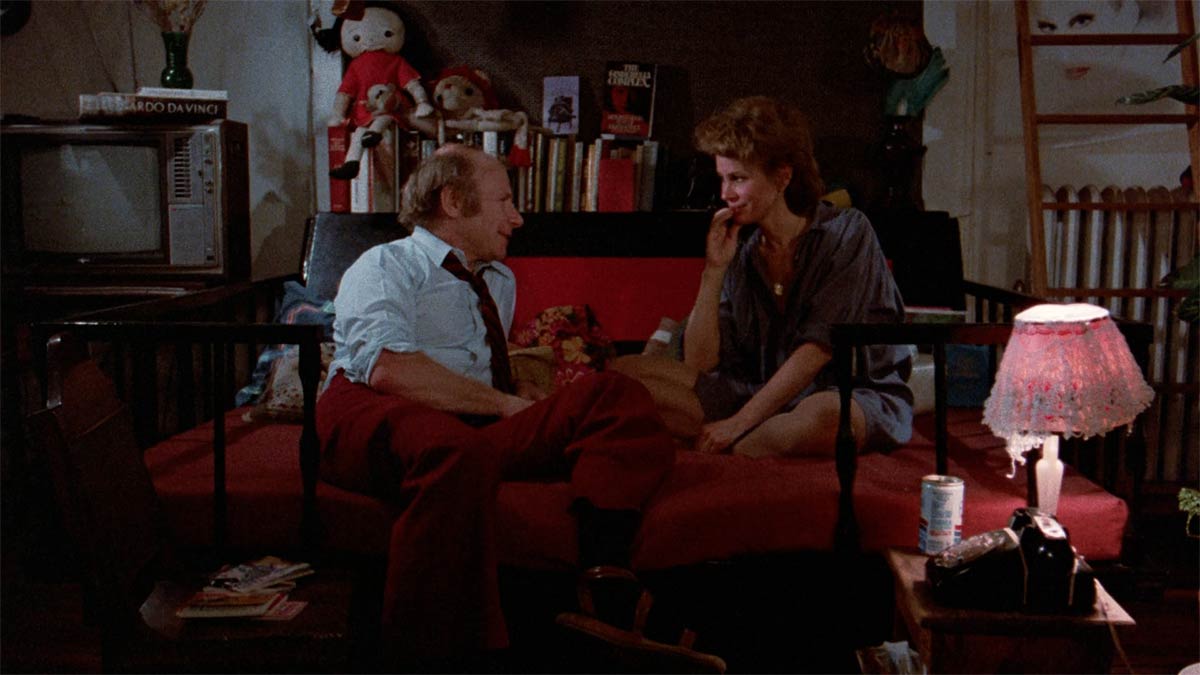
can-she-bakeHenry Jaglom’s quietly offbeat 1983 film Can She Bake a Cherry Pie? is getting a new 4K restoration and a theatrical run at Metrograph beginning February 20.

Shot entirely on the Upper West Side, the film stars Karen Black as a woman navigating love and loneliness in Jaglom’s loose, conversational style. The movie favors lived-in moments over plot, letting scenes wander in ways that feel more like real life than scripted drama.

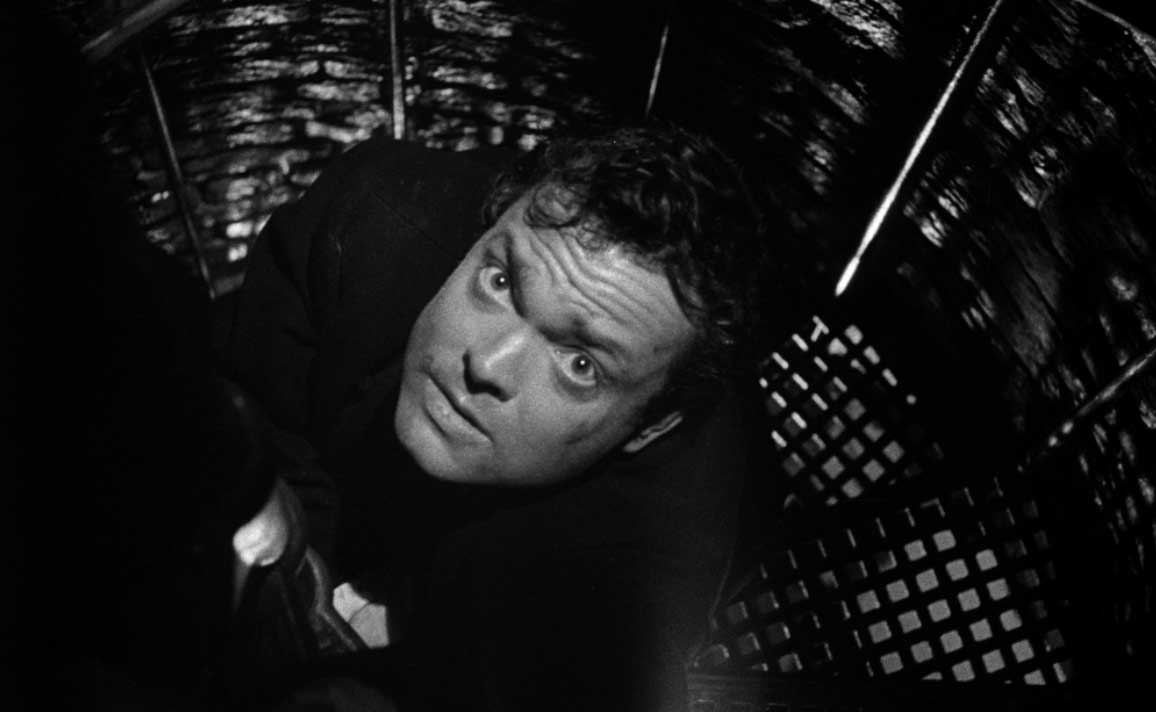
The film has picked up cult status over the years, helped by an unusual supporting cast that includes Orson Welles, Frances Fisher, and a pre-Seinfeld Larry David. The new restoration, sourced from a 4K scan of the original 35mm materials, preserves the film’s rough, intimate feel while giving it new clarity on the big screen.

For fans of New York–set cinema and indie films that play by their own rules, Can She Bake a Cherry Pie? is a welcome return.


Share

Bitter Rice, Giuseppe De Santis’ Neo-Realist Classic, Returns in a New 4K Restoration

bitter-riceGiuseppe De Santis’ Bitter Rice (1949), one of the most provocative and influential films of Italian neorealism, will screen at Film Forum from January 30 through February 5 in a newly restored 4K edition.

Set during planting season in Northern Italy’s Po Valley, Bitter Rice follows a group of rice-field workers known as the mondine, focusing on an earthy laborer played by Silvana Mangano who becomes entangled with a small-time criminal, portrayed by Vittorio Gassman, and his glamorous accomplice, played by Doris Dowling. The film blends social realism with melodrama, pairing its portrait of grueling manual labor with sex, crime, and moral tension.

Filmed on location with real mondine visible in the background, Bitter Rice stands out even within neorealism for its raw physicality and pulp energy. The film was an early international success for producer Dino De Laurentiis, premiered at the 1949 Cannes Film Festival, and earned an Academy Award nomination for Best Story the following year.

De Santis, who came up as a critic and screenwriter before directing, was deeply shaped by anti-Fascist film culture in Italy and by his collaborations with figures like Luchino Visconti and Roberto Rossellini. Bitter Rice reflects that background, merging political consciousness with a visceral, almost sensational style that helped broaden the reach of neorealism beyond strictly austere realism.

The new 4K restoration offers a rare chance to see Bitter Rice with renewed visual clarity, restoring the texture and immediacy of a film that helped redefine postwar European cinema, and remains strikingly modern in its mix of social critique and genre filmmaking.

Share

Brigitte Bardot, Iconic French Film Star and Cultural Figure, Dies at 91

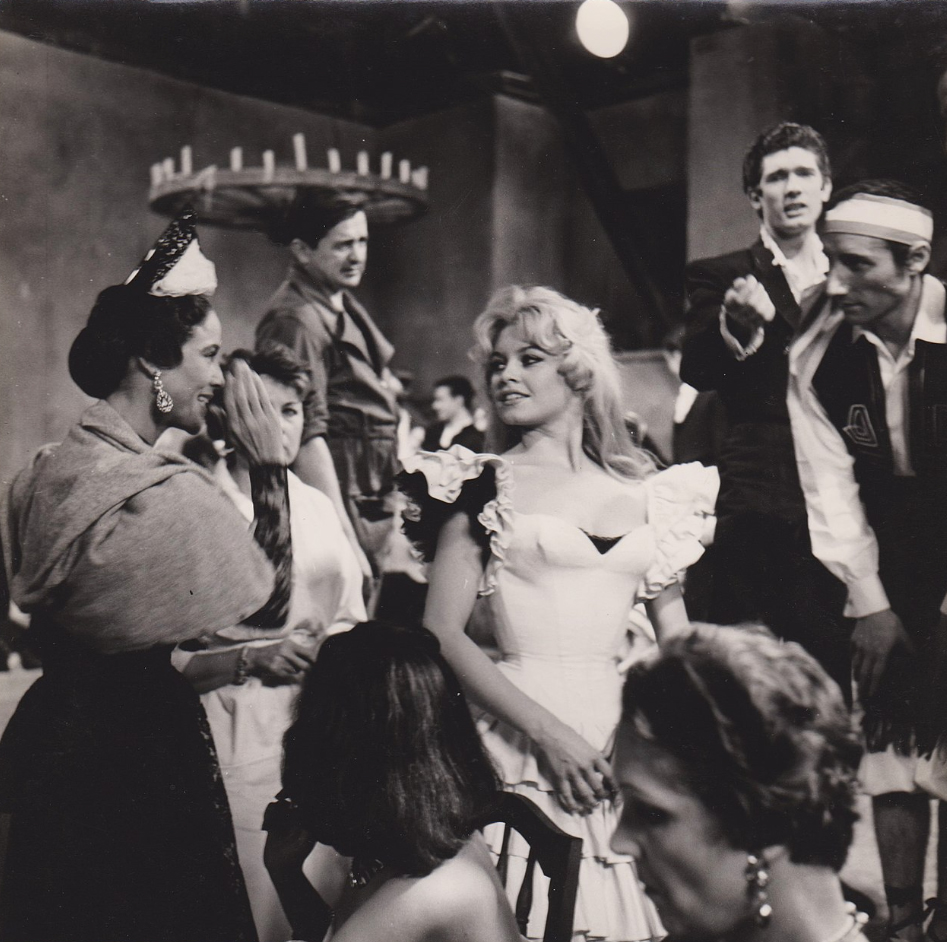
Bardot in “The Woman and the Puppet”Brigitte Bardot, the French actor, singer, and international cultural icon who rose to global fame in the 1950s before leaving cinema to become a prominent animal rights activist, has died at the age of 91. Her death was announced by the Brigitte Bardot Foundation, which did not disclose a cause.

Bardot became an international sensation with her breakthrough role in Roger Vadim’s And God Created Woman (1956), a film that reshaped attitudes toward sexuality in postwar cinema and established her as one of France’s most recognizable celebrities. Over the following two decades, she starred in more than 40 films, including The Truth, Contempt, and Viva Maria!, working with directors such as Jean-Luc Godard, Louis Malle, and Henri-Georges Clouzot.

She retired from acting in 1973 at age 39 and devoted her life to animal welfare, founding the Brigitte Bardot Foundation in 1986. In later years, Bardot remained a polarizing public figure due to her outspoken far-right political views and repeated convictions in France for inciting racial hatred.

French President Emmanuel Macron called Bardot “a legend of the century,” noting her lasting impact on French culture. She is survived by her son, Nicolas-Jacques Charrier.

Share

“We Shall Not Be Moved” Recognized as One of the Year’s Top International Films

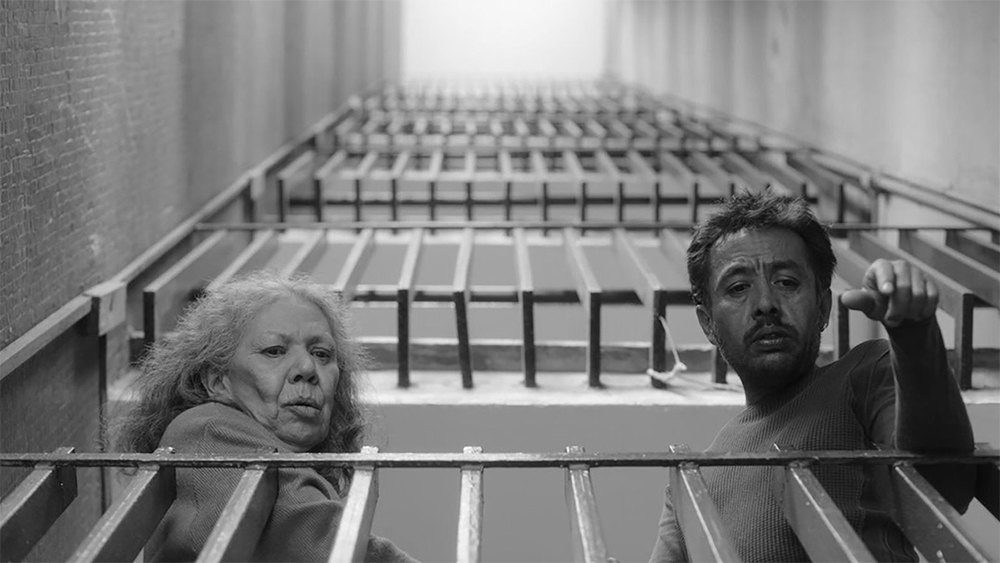
we-shall-not-be-movedWe Shall Not Be Moved (No nos moverán), Mexico’s official submission for Best International Feature at the 98th Academy Awards®, has been named one of the year’s Best International Films by New York Film Critics Online. The recognition comes as the acclaimed debut feature from Mexican filmmaker Pierre Saint Martin continues its U.S. theatrical rollout.

Following a strong run in New York through Cinema Tropical, the dark dramedy will screen for one week at the Roxie Theater in San Francisco beginning December 18, before heading to the Museum of Fine Arts, Houston in January. A U.S. streaming release is expected to be announced soon.

Shot in black and white, the film follows Socorro, a 67-year-old retired lawyer played by Luisa Huertas, whose decades-long pursuit of the soldier responsible for her brother’s death during Mexico’s 1968 Tlatelolco massacre has consumed her life and fractured her family. When a new lead emerges, she risks everything to confront the past.

The film premiered at the Guadalajara International Film Festival, winning Best Mexican Film and the Audience Award, and went on to receive four Ariel Awards, including Best First Feature and Best Actress. It has screened at more than 40 international festivals and will also represent Mexico at Spain’s Goya Awards.

Saint Martin’s debut blends dark humor with an intimate exploration of memory, trauma, and political reckoning, offering a personal lens on one of Mexico’s most painful historical chapters.

Share

“One Battle After Another” Dominates National Board of Review Awards

national-board-of-reviewPaul Thomas Anderson’s One Battle After Another continued its awards-season surge, leading the 2025 National Board of Review honors with five major wins, including Best Film, Best Director, Best Actor for Leonardo DiCaprio, Best Supporting Actor for Benicio Del Toro, and Breakthrough Performance for Chase Infiniti.

The strong showing follows the film’s recent victories at both the Gotham Awards and the New York Film Critics Circle, positioning the Warner Bros. title as one of this season’s most formidable contenders.

Rose Byrne was named Best Actress for If I Had Legs I’d Kick You, continuing her streak across multiple critics groups. Other notable winners included Inga Ibsdotter Lilleaas for Sentimental Value, Ryan Coogler for Sinners (Best Original Screenplay), and Clint Bentley & Greg Kwedar for Train Dreams (Best Adapted Screenplay).

NBR also recognized Arco as Best Animated Feature, It Was Just an Accident as Best International Film, and Cover-Up as Best Documentary. Mission: Impossible – The Final Reckoning earned the group’s stunt artistry honor, while Sinners cinematographer Autumn Durald Arkapaw received Outstanding Achievement in Cinematography.

As usual, the organization released additional top-ten lists spanning films, international selections, documentaries, and independent features, which continue to serve as an early barometer of industry consensus.

The winners will be celebrated at the NBR’s annual gala on January 13, 2026, in New York City.

Share

Billy Wilder’s The Lost Weekend Returning to Theaters in 35mm This December

the-lost-weekendBilly Wilder’s landmark 1945 drama The Lost Weekend is set for a limited theatrical return beginning December 26, screening in a 35mm print for one week. The film, which won four Academy Awards including Best Picture, Best Director, Best Actor for Ray Milland, and Best Adapted Screenplay, remains one of cinema’s most influential depictions of alcoholism.

Milland stars as Don Birnam, a writer whose battle with addiction spirals over a destructive four-day binge, anchored by Jane Wyman’s performance as the woman determined to pull him back from the edge. Initially met with hesitation from preview audiences unaccustomed to its stark realism, The Lost Weekend later emerged as one of Wilder’s defining achievements and a milestone in Hollywood’s shift toward more unsparing drama.

Screenings will also include the 1947 Warner Bros. “Merrie Melodies” short Slick Hare, which features animated caricatures of 1940s celebrities, including Ray Milland himself, in a playful nod to the film.

A post-screening discussion with Eric Monder, author of Dashing to the End: The Ray Milland Story, and film critic Molly Haskell will be held on opening night, December 26.

Share
Page 1 of 6
1 2 6