Henry Jaglom’s ‘Sitting Ducks’ Gets 4K Restoration, Screens at Baltimore Fest

A forgotten crime comedy from 1980 is getting new life in 4K.

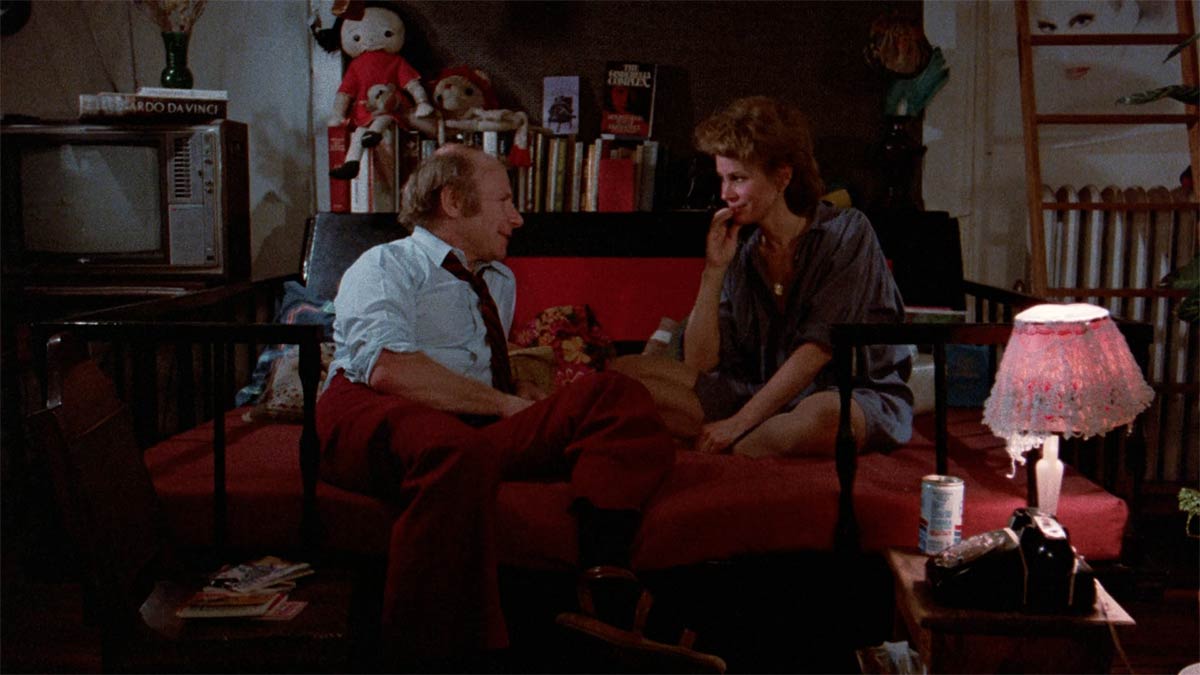
Henry Jaglom’s “Sitting Ducks” screens at the New/Next Film Fest in Baltimore this weekend, freshly restored from the original 35mm camera negative. The film follows two small-time thieves who steal cash from the mob and head for Miami in a limousine, dreaming of escape to Costa Rica.

The restoration came together through a collaboration between Hope Runs High and Cinématographe, with help from the Academy Film Archive. Vinegar Syndrome handled the 4K scan in Connecticut, and Marcus Johnson of Emulsional Recovery completed frame-by-frame digital work and color grading.

Jaglom, who died in 2025, carved out his own strange corner of American independent cinema. He started in editing, helping Jack Nicholson cut “Easy Rider” in 1969, then went on to write and direct over 20 films. “Sitting Ducks” was his third feature and played Cannes back in the day. Time Out called it “an instantly likeable triumph of optimism over opportunism.”

The film screens Sunday at 5:45pm at the Charles Theatre.

This is the second Jaglom restoration to hit screens, with more on the way. For a generation of filmmakers who worked outside the system, these restorations matter. Jaglom’s work has been underseen for decades, and 4K brings it back where it belongs.

Share

New Doc Digs Into the Spectacular Failure of Exorcist II

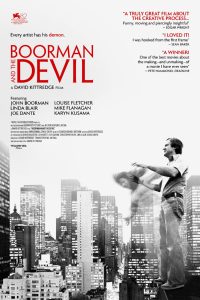
After Point Blank and Deliverance made him a bankable name, John Boorman got the gig of a lifetime: directing the sequel to The Exorcist for Warner Brothers. What followed became one of Hollywood’s most legendary disasters, a bomb so complete it nearly killed his career and changed how studios greenlit projects.
Now there’s a documentary about it. Boorman and the Devil, directed by David Kittredge, pulls Boorman himself out of retirement to talk about what went wrong, along with Linda Blair, Louise Fletcher, and filmmakers like Karyn Kusama, Mike Flanagan, and Joe Dante. The film digs into the wreckage, but it’s not a hit piece. It’s about ambition, risk-taking, and what happens when artists swing for the fences and miss.

Critics are calling it riveting, funny, and surprisingly poignant. IndieWire said it’s “magical” and “dazzling.” The Wall Street Journal called it “altogether fascinating.” Even Time Out weighed in: this doc “exorcises the demons of cinema’s biggest film failures.”

It’s available now on Prime, Apple, Google Play, and Fandango. For indie filmmakers, it’s a reminder that failure’s part of the deal, and sometimes the most interesting stories come from the biggest crashes.

Share

Film Forum Bringing 35mm “Third Man” Print to NYC, Old-School Photochemical Style

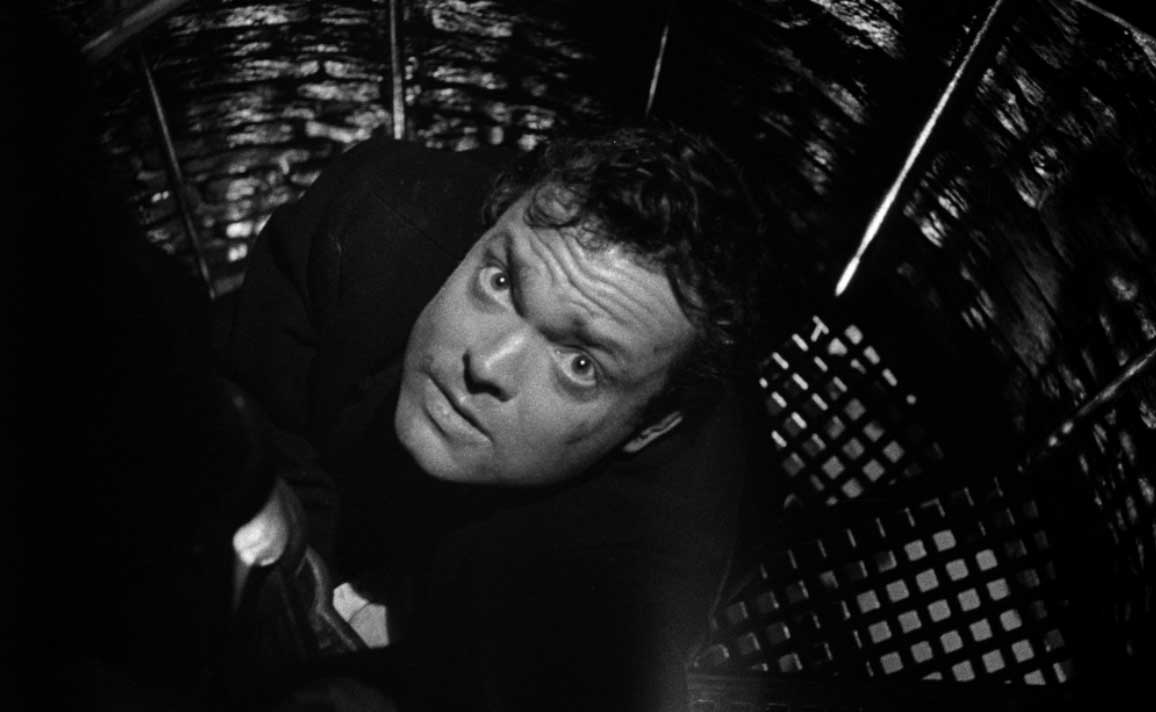
Third-Man-2026Film Forum is screening a new 35mm print of Carol Reed’s “The Third Man” from June 12-25, and they’re doing it the analog way.

Unlike most classic film prints made today, which are digitally restored then output to film stock, this print was created photochemically in a lab from the original 35mm elements. Haghefilm and L’Immagine Ritrovata handled the work for Studiocanal, keeping the process true to the film’s origins.

The 1949 noir, starring Joseph Cotten, Alida Valli, and Orson Welles as Harry Lime, was shot across five weeks of double shifts in Vienna. Cinematographer Robert Krasker won an Oscar for his shadow work, and Anton Karas’s zither theme became a worldwide phenomenon.

Welles lit his own scenes and wrote much of his dialogue, including the famous “cuckoo clock” speech. The film won the Palme d’Or at Cannes and was named one of the 10 best-shot films of cinema’s first 50 years by American Cinematographer.

This matters because photochemical preservation is increasingly rare. Most repertory houses default to digital restorations. Film Forum’s commitment to analog processes keeps the craft alive for filmmakers and audiences who care about how classics are preserved and presented.

Share

Film Forum to Present Ernst Lubitsch Retrospective The Lubitsch Touch in April

The-Lubitsch-Touch

Film Forum

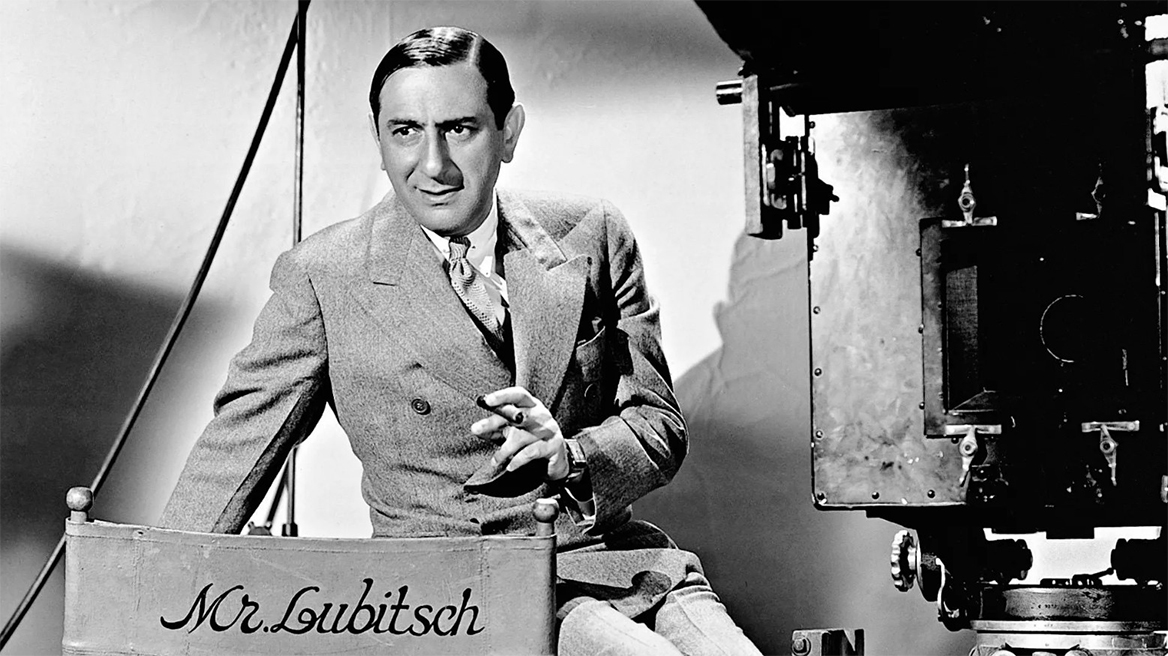
Film Forum will celebrate legendary filmmaker Ernst Lubitsch with a special 13-film retrospective titled The Lubitsch Touch, beginning Tuesday, April 7 in New York.

The series will feature weekly screenings of some of Lubitsch’s most influential films, including Ninotchka, The Shop Around the Corner, Trouble in Paradise, Heaven Can Wait, Design for Living, Cluny Brown, and To Be or Not to Be, among others.

Known for his sophisticated humor and subtle visual storytelling, Lubitsch helped shape the modern romantic comedy and movie musical after moving from Germany to Hollywood in the early 20th century. His distinctive style became widely known as “The Lubitsch Touch.”

The series will run Tuesday evenings with select additional screenings, highlighting Lubitsch’s enduring influence on classic Hollywood cinema.

Share

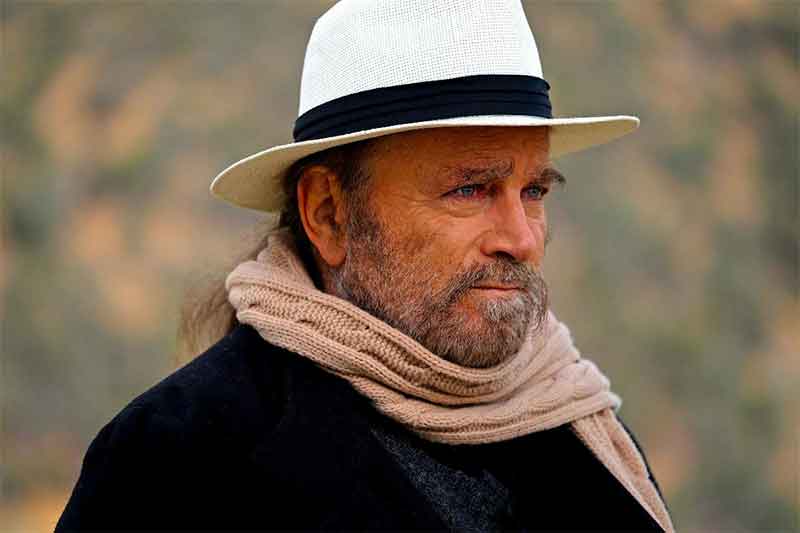
Franco Nero to Present Silent Life Final Cut in Hollywood

franco-nero

Franco Nero, Silent Life: The Rudolph Valentino Centennial Final Cut

Franco Nero will present a special Hollywood preview of Silent Life: The Rudolph Valentino Centennial Final Cut on Monday, February 16 at the Hollywood Forever Masonic Lodge.

The screening will be followed by a Q and A moderated by film critic Leonard Maltin. The event comes days after Nero receives a star on the Hollywood Walk of Fame on February 12.

Directed by Vladislav Alex Kozlov, Silent Life revisits the life and legacy of silent film star Rudolph Valentino on the centennial of his death. Nero, who portrayed Valentino in 1975’s The Legend of Valentino, lends his voice to the role in the new film. The cast also includes Terry Moore, Isabella Rossellini, Sherilyn Fenn, Paul Rodriguez, and Monte Markham.

The 2026 version is described as a newly completed director’s cut. The film has previously screened at festivals including Sedona, WorldFest Houston, and Rhode Island International Film Festival. A limited number of tickets are available for the February 16 event.

Share

Returns to NYC in New 4K Restoration: Can She Bake a Cherry Pie

can-she-bakeHenry Jaglom’s quietly offbeat 1983 film Can She Bake a Cherry Pie? is getting a new 4K restoration and a theatrical run at Metrograph beginning February 20.

Shot entirely on the Upper West Side, the film stars Karen Black as a woman navigating love and loneliness in Jaglom’s loose, conversational style. The movie favors lived-in moments over plot, letting scenes wander in ways that feel more like real life than scripted drama.

The film has picked up cult status over the years, helped by an unusual supporting cast that includes Orson Welles, Frances Fisher, and a pre-Seinfeld Larry David. The new restoration, sourced from a 4K scan of the original 35mm materials, preserves the film’s rough, intimate feel while giving it new clarity on the big screen.

For fans of New York–set cinema and indie films that play by their own rules, Can She Bake a Cherry Pie? is a welcome return.


Share

Bitter Rice, Giuseppe De Santis’ Neo-Realist Classic, Returns in a New 4K Restoration

bitter-riceGiuseppe De Santis’ Bitter Rice (1949), one of the most provocative and influential films of Italian neorealism, will screen at Film Forum from January 30 through February 5 in a newly restored 4K edition.

Set during planting season in Northern Italy’s Po Valley, Bitter Rice follows a group of rice-field workers known as the mondine, focusing on an earthy laborer played by Silvana Mangano who becomes entangled with a small-time criminal, portrayed by Vittorio Gassman, and his glamorous accomplice, played by Doris Dowling. The film blends social realism with melodrama, pairing its portrait of grueling manual labor with sex, crime, and moral tension.

Filmed on location with real mondine visible in the background, Bitter Rice stands out even within neorealism for its raw physicality and pulp energy. The film was an early international success for producer Dino De Laurentiis, premiered at the 1949 Cannes Film Festival, and earned an Academy Award nomination for Best Story the following year.

De Santis, who came up as a critic and screenwriter before directing, was deeply shaped by anti-Fascist film culture in Italy and by his collaborations with figures like Luchino Visconti and Roberto Rossellini. Bitter Rice reflects that background, merging political consciousness with a visceral, almost sensational style that helped broaden the reach of neorealism beyond strictly austere realism.

The new 4K restoration offers a rare chance to see Bitter Rice with renewed visual clarity, restoring the texture and immediacy of a film that helped redefine postwar European cinema, and remains strikingly modern in its mix of social critique and genre filmmaking.

Share

Brigitte Bardot, Iconic French Film Star and Cultural Figure, Dies at 91

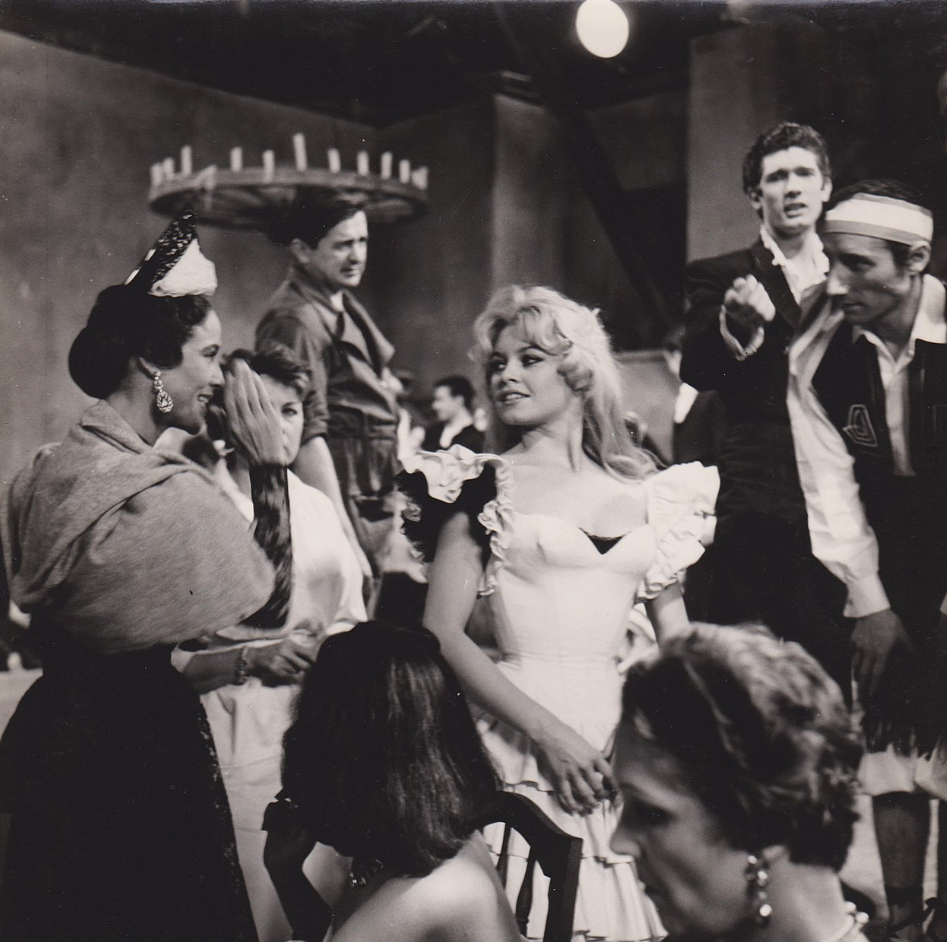
Bardot in “The Woman and the Puppet”Brigitte Bardot, the French actor, singer, and international cultural icon who rose to global fame in the 1950s before leaving cinema to become a prominent animal rights activist, has died at the age of 91. Her death was announced by the Brigitte Bardot Foundation, which did not disclose a cause.

Bardot became an international sensation with her breakthrough role in Roger Vadim’s And God Created Woman (1956), a film that reshaped attitudes toward sexuality in postwar cinema and established her as one of France’s most recognizable celebrities. Over the following two decades, she starred in more than 40 films, including The Truth, Contempt, and Viva Maria!, working with directors such as Jean-Luc Godard, Louis Malle, and Henri-Georges Clouzot.

She retired from acting in 1973 at age 39 and devoted her life to animal welfare, founding the Brigitte Bardot Foundation in 1986. In later years, Bardot remained a polarizing public figure due to her outspoken far-right political views and repeated convictions in France for inciting racial hatred.

French President Emmanuel Macron called Bardot “a legend of the century,” noting her lasting impact on French culture. She is survived by her son, Nicolas-Jacques Charrier.

Share

Billy Wilder’s The Lost Weekend Returning to Theaters in 35mm This December

the-lost-weekendBilly Wilder’s landmark 1945 drama The Lost Weekend is set for a limited theatrical return beginning December 26, screening in a 35mm print for one week. The film, which won four Academy Awards including Best Picture, Best Director, Best Actor for Ray Milland, and Best Adapted Screenplay, remains one of cinema’s most influential depictions of alcoholism.

Milland stars as Don Birnam, a writer whose battle with addiction spirals over a destructive four-day binge, anchored by Jane Wyman’s performance as the woman determined to pull him back from the edge. Initially met with hesitation from preview audiences unaccustomed to its stark realism, The Lost Weekend later emerged as one of Wilder’s defining achievements and a milestone in Hollywood’s shift toward more unsparing drama.

Screenings will also include the 1947 Warner Bros. “Merrie Melodies” short Slick Hare, which features animated caricatures of 1940s celebrities, including Ray Milland himself, in a playful nod to the film.

A post-screening discussion with Eric Monder, author of Dashing to the End: The Ray Milland Story, and film critic Molly Haskell will be held on opening night, December 26.

Share

Bob Rafelson’s Five Easy Pieces Returns in Newly Restored 4K Edition

five-easy-piecesFilm Forum will present a new 4K restoration of Bob Rafelson’s landmark drama Five Easy Pieces from December 19 to 25. Released in 1970, the film is considered a defining work of the New Hollywood era and features one of Jack Nicholson’s most celebrated early performances.

Nicholson stars as Bobby Dupea, a former piano prodigy turned oil-rig worker drifting through a life he can’t fully commit to. The film follows his uneasy relationships, including his volatile dynamic with girlfriend Rayette (Karen Black), encounters with fellow travelers on the road, and a return to his estranged family for a final attempt at reconciliation. Its blend of working-class realism, counterculture disillusionment, and character driven storytelling helped cement the film’s reputation as a touchstone of American independent cinema.

Shot by cinematographer László Kovács, the film was written by Carole Eastman, under the pseudonym Adrien Joyce, from sketches developed with Rafelson. Five Easy Pieces went on to earn four Academy Award nominations, including Best Picture, Best Director, Best Actor, and Best Supporting Actress.

The restoration offers audiences a rare chance to revisit the film on the big screen more than fifty years after its release.

Share
Page 1 of 5
1 2 … 5