The Odyssey Opens to $52 Million in IMAX, Setting Global Record in Like-for-Like Markets

the-odysseyThe first theatrical release shot entirely with IMAX 70mm film cameras opened to $52 million on IMAX screens worldwide.

Christopher Nolan’s The Odyssey, from Universal Pictures, opened the weekend of July 17. IMAX screens made up 20% of the film’s global opening. That set the biggest global IMAX opening weekend ever in like-for-like markets, which leave out China, Japan and South Korea, beating the previous best by 16%. The film also posted the biggest IMAX opening for a Nolan film, for a Universal release and for any film in July. It was the second-biggest domestic IMAX opening ever. IMAX pre-sales reached $50 million, also a record.

In North America, the film earned $29.6 million in IMAX on 444 screens, a 23.8% share of its box office there. Internationally, it took in $22.2 million on 441 IMAX screens across 74 markets. Twenty-six of those markets had their biggest IMAX opening weekend ever, including France, Germany, Italy, Spain, Australia, Mexico and Argentina.

The 41 locations showing the film in IMAX 70mm earned $6.3 million, an average of $153,000 per screen. Nolan and cinematographer Hoyte van Hoytema shot 2.1 million feet of IMAX film. They also worked with IMAX to develop The Keighley, a new IMAX film camera named for the late David Keighley and Patricia Keighley, along with a sound blimp that makes sync sound recording possible.

IMAX CEO Rich Gelfond called the film one of a “rarified group of instant classic blockbusters” in the company’s history.

The Odyssey stays in IMAX for at least three weeks and in IMAX 70mm locations for at least five. It expands to South Korea on August 5, China on August 14 and Japan on September 11.

Share

Tamron’s 12-20mm F2.8 Ultra-Wide Zoom Comes to Sony E-Mount and Nikon Z Mount

A 12mm field of view with an F2.8 aperture at every focal length, in a lens that weighs about 1.25 pounds.

Tamron has launched the 12-20mm F2.8 (Model A084), an ultra-wide zoom for Sony E-mount and Nikon Z mount full-frame mirrorless cameras. The aperture stays at F2.8 across the full zoom range, and Tamron is pitching the lens for astrophotography and interior shooting.

The lens has 17 elements in 12 groups. Among them are an XGM (eXpanded Glass Molded Aspherical) element, three GM aspherical elements and several special elements. Tamron says the design reduces blur and color fringing at the edges of the frame and corrects sagittal coma flare, a common problem in astrophotography.

The Sony E-mount version is 119.3mm (4.7 inches) long and weighs 570g (20.2 ounces). The Nikon Z version is 121.3mm long and weighs 585g. Both have a range of switches and rings for hands-on control.

Autofocus runs on Tamron’s VXD linear motor. The lens focuses as close as 0.18m (7.1 inches) at the 12mm end.

The lens uses a 12-blade circular aperture, and it’s compatible with the TAMRON Lens Utility software for video and stills. The lens hood is built in, so filters go in an integrated rear filter holder. It also has a moisture-resistant build, a fluorine coating, a locking front cap and an included wrapping cloth.

The Sony E-mount version goes on sale July 30, 2026, and the Nikon Z mount version follows on August 27, 2026.

Share

Nikon Tour Doubles to 10 U.S. Cities in 2026, With Free Workshops and New Learning Tracks

Nikon is expanding the Nikon Tour, its free, in-person event series for photographers and filmmakers. After its first run, the tour is doubling its stops to reach 10 cities across the U.S.

This year’s tour adds programming days built for different skill levels. “Intro to Photography” is aimed at beginners, while “Z Day” and “NIKKOR Z Lens Day” are designed for professional photographers and cinema creators. A new video-focused day centers on the Nikon ZR.

Each stop mixes hands-on photo and video shooting with educational sessions and interactive workshops. Attendees get to try the latest Nikon gear and keep the content they create. The tour is free to attend.

Select stops will feature Nikon Ambassadors D’Ann Boal and Kristi Odom, along with creators Joyce Charat, Staci Brucks and Kirill Umrikhin. Other ambassadors, creators and special guests will lead photo walks and on-site experiences in different cities.

The custom yellow SUV will anchor select stops as a mobile hub. Nikon teams and Ambassadors will use it to bring gear straight to attendees and set up shooting opportunities on location.

The tour opens in Chapel Hill, North Carolina, from May 15 to 17 at the Beautiful Together Animal Sanctuary. Nikon Ambassador Tamara Lackey leads the first stop.

Share

Adobe Jacks Up Creative Cloud Prices, Here’s What Indie Creators Need to Know

Adobe just dropped a bomb on Creative Cloud subscribers. The company’s rebranding Creative Cloud All Apps as “Creative Cloud Pro” and bumping the price to $69.99/month, a significant jump from the current pricing.

The change hits existing subscribers in April 2026.

Here’s the deal. Adobe’s spinning this as adding value, unlimited AI generations, premium features like text-to-video in Firefly, access to partner AI models from Google, OpenAI, and Flux, plus something called Firefly Boards for collaborative mood boarding. You still get all the core apps: Photoshop, Illustrator, Premiere Pro, Lightroom, Adobe Express, and the usual 30,000+ fonts and stock assets.

But let’s be real. For indie creators already stretching budgets, this stings.

Adobe knows it too. They’re offering a cheaper alternative called Creative Cloud Standard. It includes the desktop apps, Photoshop, Illustrator, Lightroom, Premiere Pro, but with limited AI features and restricted access to web and mobile apps. No word yet on what that plan costs, but it’s clearly positioned as the budget option.

The AI stuff is the main differentiator. Creative Cloud Pro gets unlimited standard AI generations and premium features like video generation. Standard plan? Limited AI access. Adobe’s basically saying if you want to use their generative tools seriously, you’re paying the premium.

For working creatives who depend on these tools daily, the price hike is a tough pill. Adobe’s betting that the AI features justify the increase, but plenty of artists and filmmakers are already exploring alternatives, Affinity, DaVinci Resolve, open-source options.

The indie community has always found ways to work around corporate price increases. This might just accelerate that trend.

Existing subscribers can manage or cancel their plans anytime through their Adobe Account. The company’s offering support and FAQs for anyone with questions, but the bottom line is clear: pay more or lose features.

Share

Live Nation to Present at Morgan Stanley TMT Conference

live-nationLive Nation Entertainment will participate in Morgan Stanley’s annual Technology, Media & Telecom Conference next month, one of the industry’s more closely watched investor events.

Joe Berchtold, the company’s president and chief financial officer, is scheduled to speak on March 3, 2026 at 1:05 p.m. PT.

The session will be available via live webcast through the investor section of Live Nation’s website, where executives are expected to discuss business performance and outlook.

Live Nation trades on the New York Stock Exchange under the ticker LYV.

Share

CES 2026: CTHINGS.CO Takes on the Edge AI Scaling Problem

CTHINGSCO ; Armando InquigAt CES 2026, where edge AI and connected systems are everywhere, one recurring issue keeps coming up: scaling those systems without them turning into a mess. That’s the problem CTHINGS.CO is focusing on this year with its Orchestra platform.

Based in Warsaw, CTHINGS.CO works in the space where edge computing, AI, and IoT collide, factories, fleets, smart infrastructure, and other environments where devices don’t always have stable connections or centralized oversight. Orchestra is designed to act as a single control layer, pulling together device management, updates, security, and monitoring across distributed edge systems.

Instead of treating networking, operating systems, and security as separate problems, the platform tries to unify them. The idea is to reduce the operational friction that shows up once pilot projects turn into thousands of deployed devices spread across real-world conditions.

At CES, CTHINGS.CO is showing how Orchestra handles common edge challenges like inconsistent connectivity, remote updates without downtime, and enforcing security across large device fleets. The system also includes an AI-assisted layer aimed at surfacing issues faster and helping teams manage edge environments without constant manual intervention.

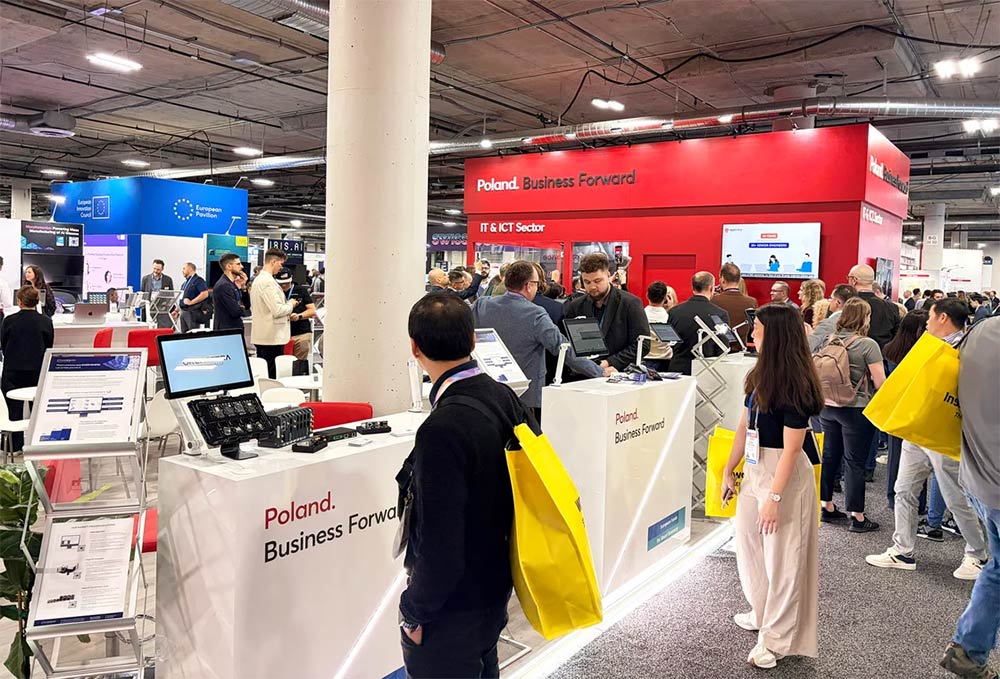
The company is exhibiting at the Polish Pavilion in the Venetian Expo, positioning Orchestra less as a flashy demo and more as infrastructure for systems that need to stay online, secure, and manageable over time.

Share

.lumen Wins CES 2026 Accessibility Award for AI Glasses Designed for the Blind

lumen-wins-CES-2026-innovation-awards

lumen CES-2026

CES 2026 included a wide range of accessibility-focused technology, and .lumen was among the companies recognized for its work in that area.

The European deep-tech startup received the CTA Foundation Pitch Competition for Accessibility award, which comes with a $10,000 prize. The award was given for .lumen’s AI-powered glasses designed to help blind users move independently without relying on guide dogs, smartphones, or constant internet access.

The wearable uses computer vision and on-device AI to interpret surrounding space in real time. Instead of audio prompts, it guides users through a haptic feedback system, allowing for hands-free navigation in unfamiliar environments.

Founder and CEO Cornel Amariei noted that the project grew out of personal experience and long-term exposure to accessibility challenges. He also pointed to the gap between the number of visually impaired people worldwide and the limited availability of guide dogs.

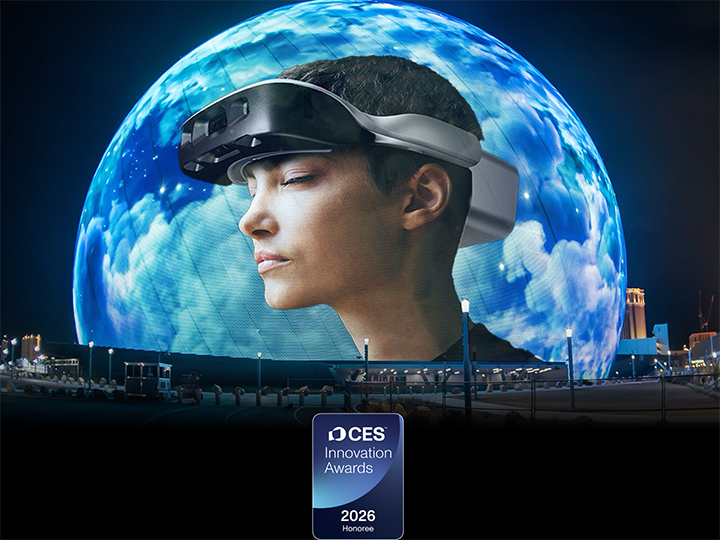
In addition to the CTA Foundation award, .lumen was named a CES 2026 Innovation Award Honoree. The company also received recognition last year through a U.S. Army pitch competition.

Share

CES 2026: Early Days, Day Two on the Show Floor

By Armando

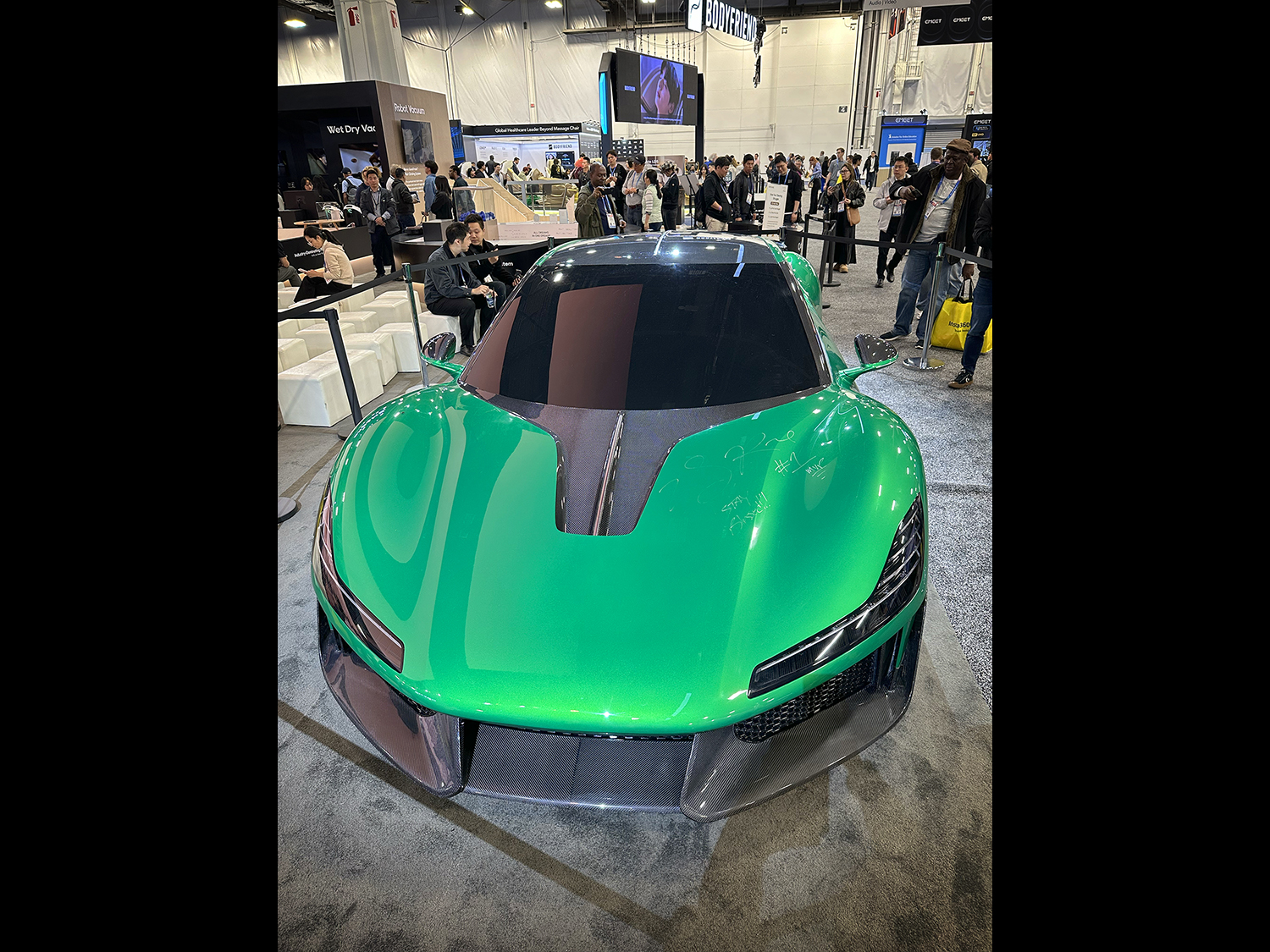
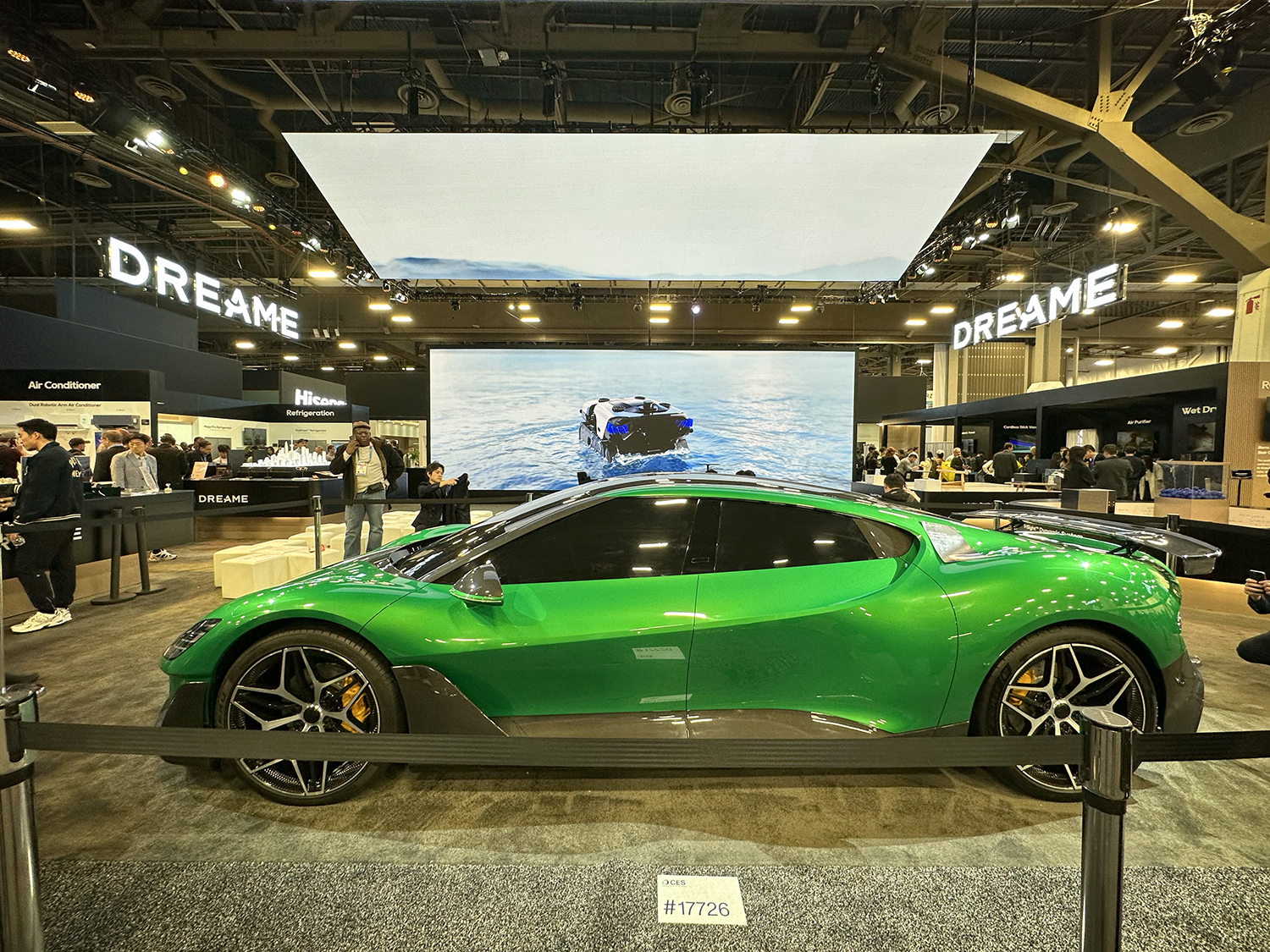
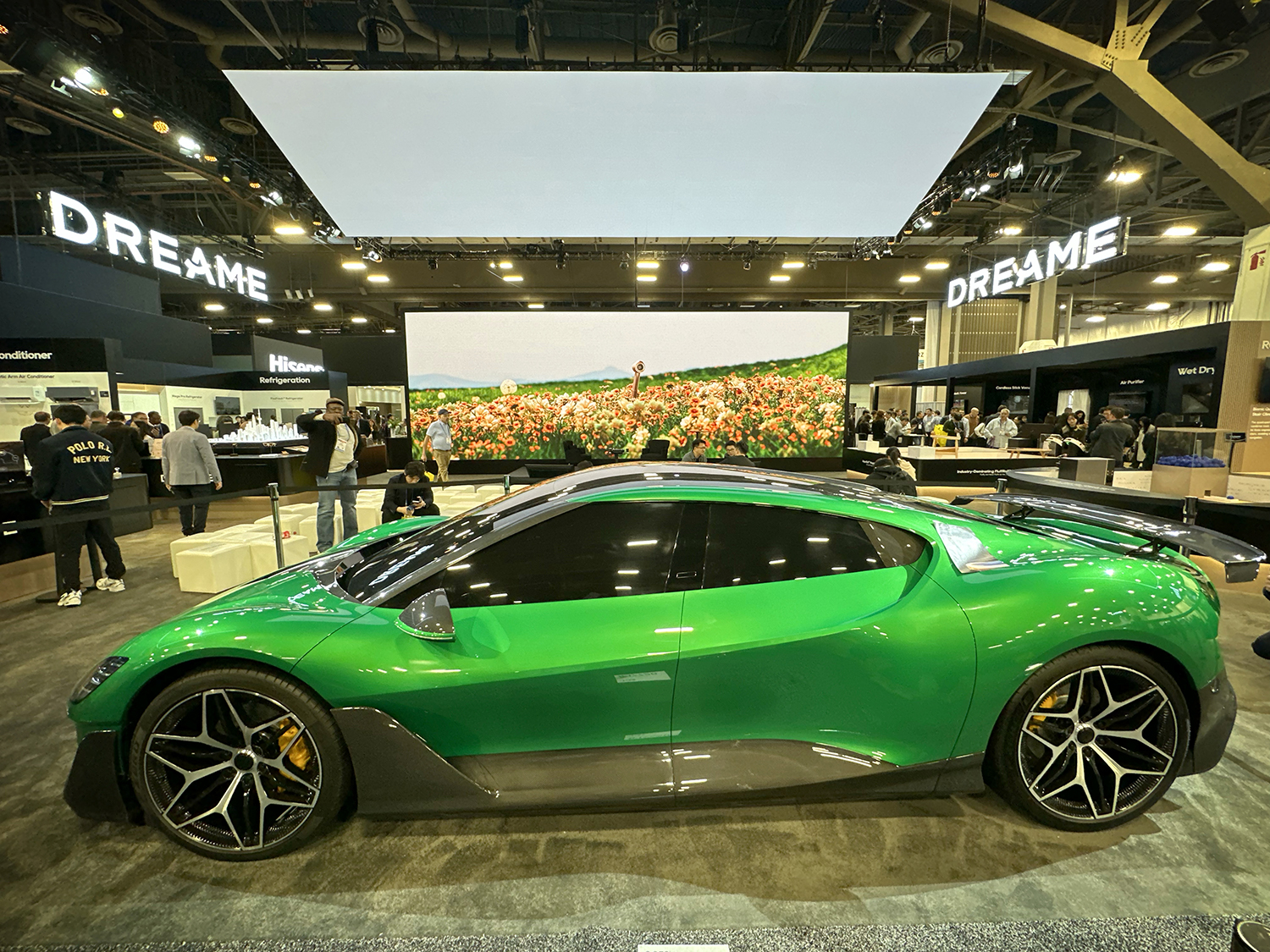
Second day at CES 2026, Displays are bigger, vehicles are more experimental, and mobility concepts are no longer confined to a category.

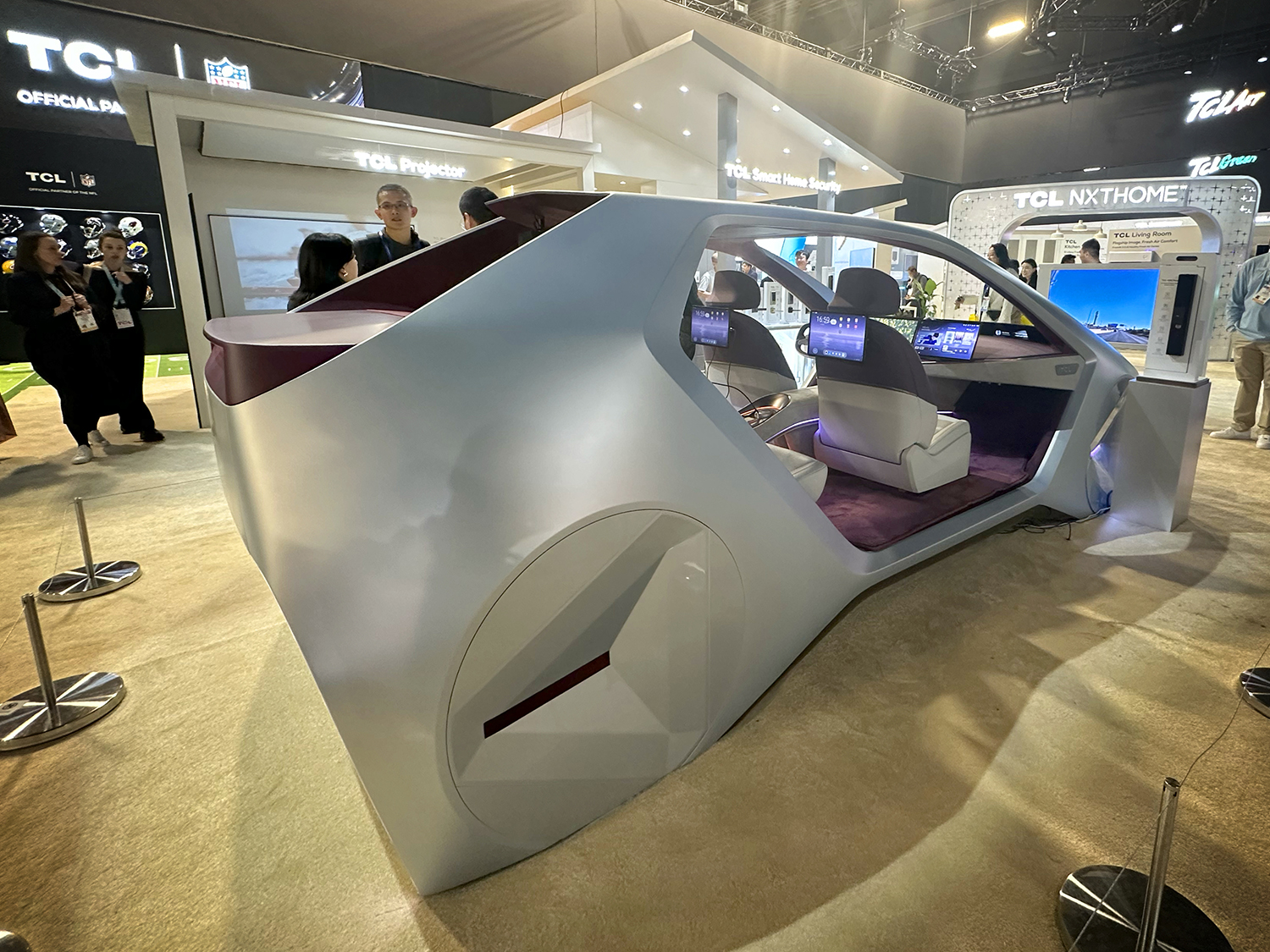
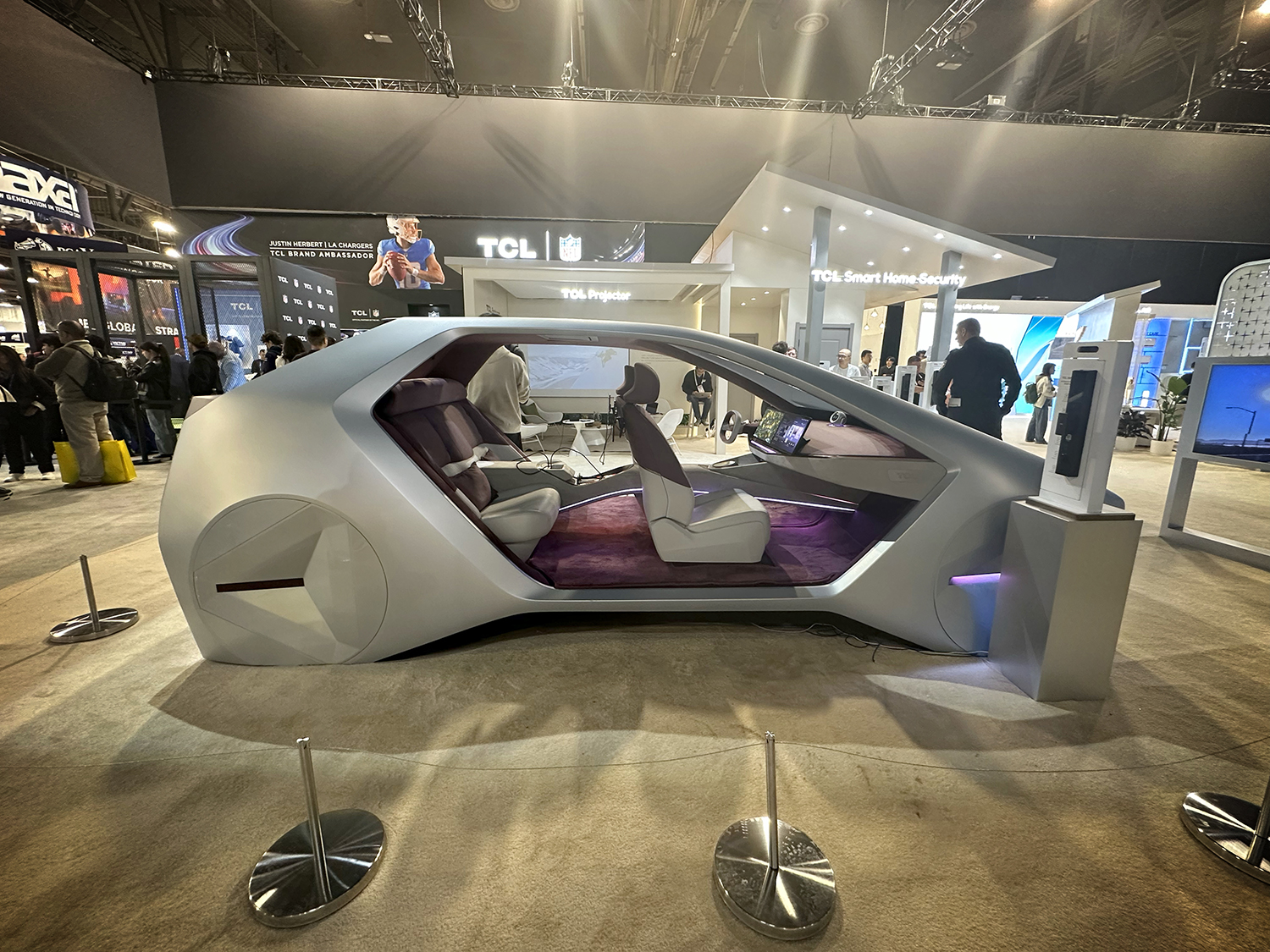
Brands like TCL are pushing further into connected mobility with NXTAUTO concept interiors, blending automotive design with large-format displays and in-cabin experiences. DREAME’s massive booth leans into smart home appliances at scale, while CHiQ continues positioning itself as a design-forward consumer electronics brand.

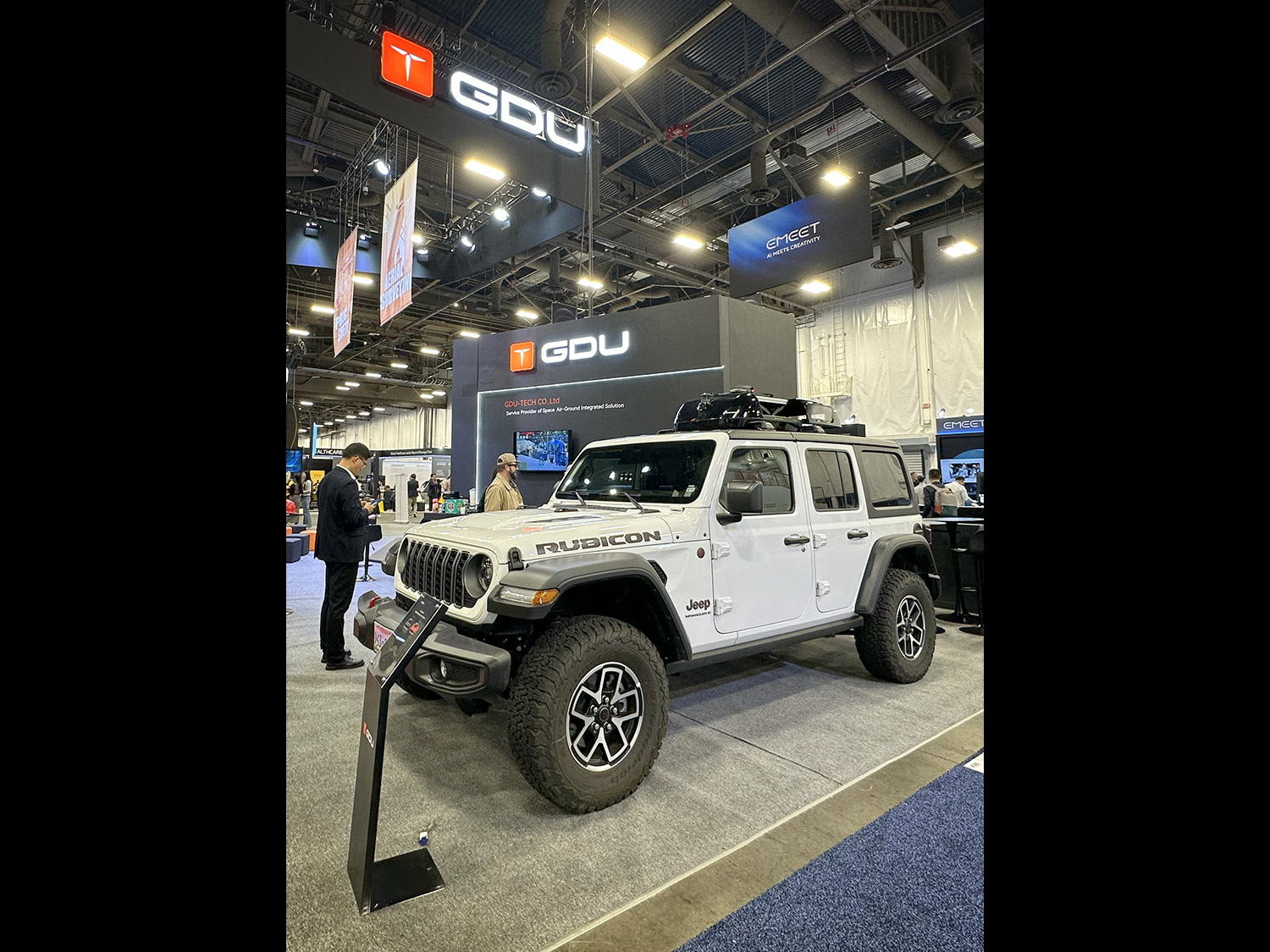
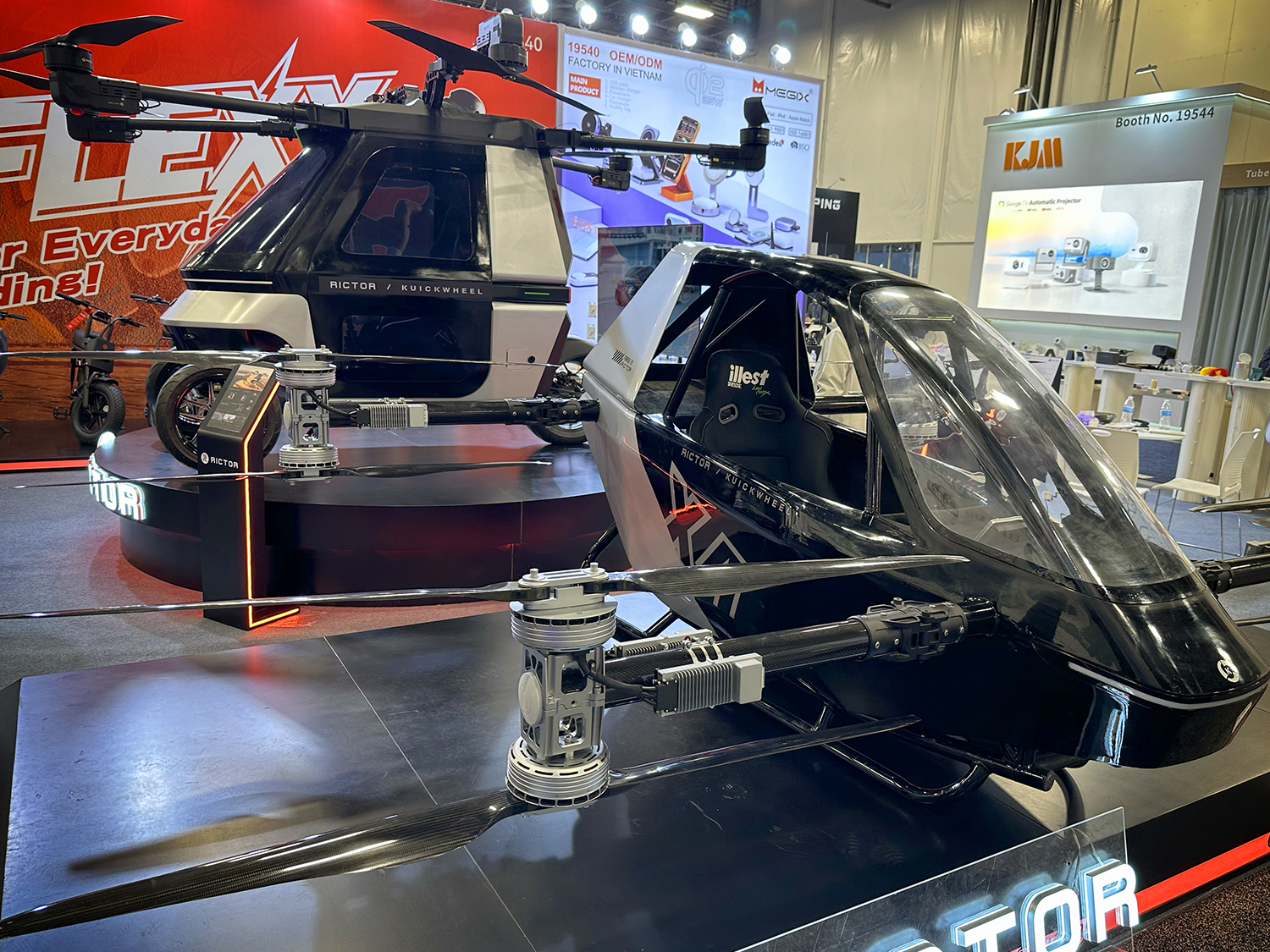
Elsewhere, GDU and RICTOR / Kuickwheel showcase alternative mobility ideas, from rugged drones to hybrid personal transport concepts that blur the line between vehicle and gadget.

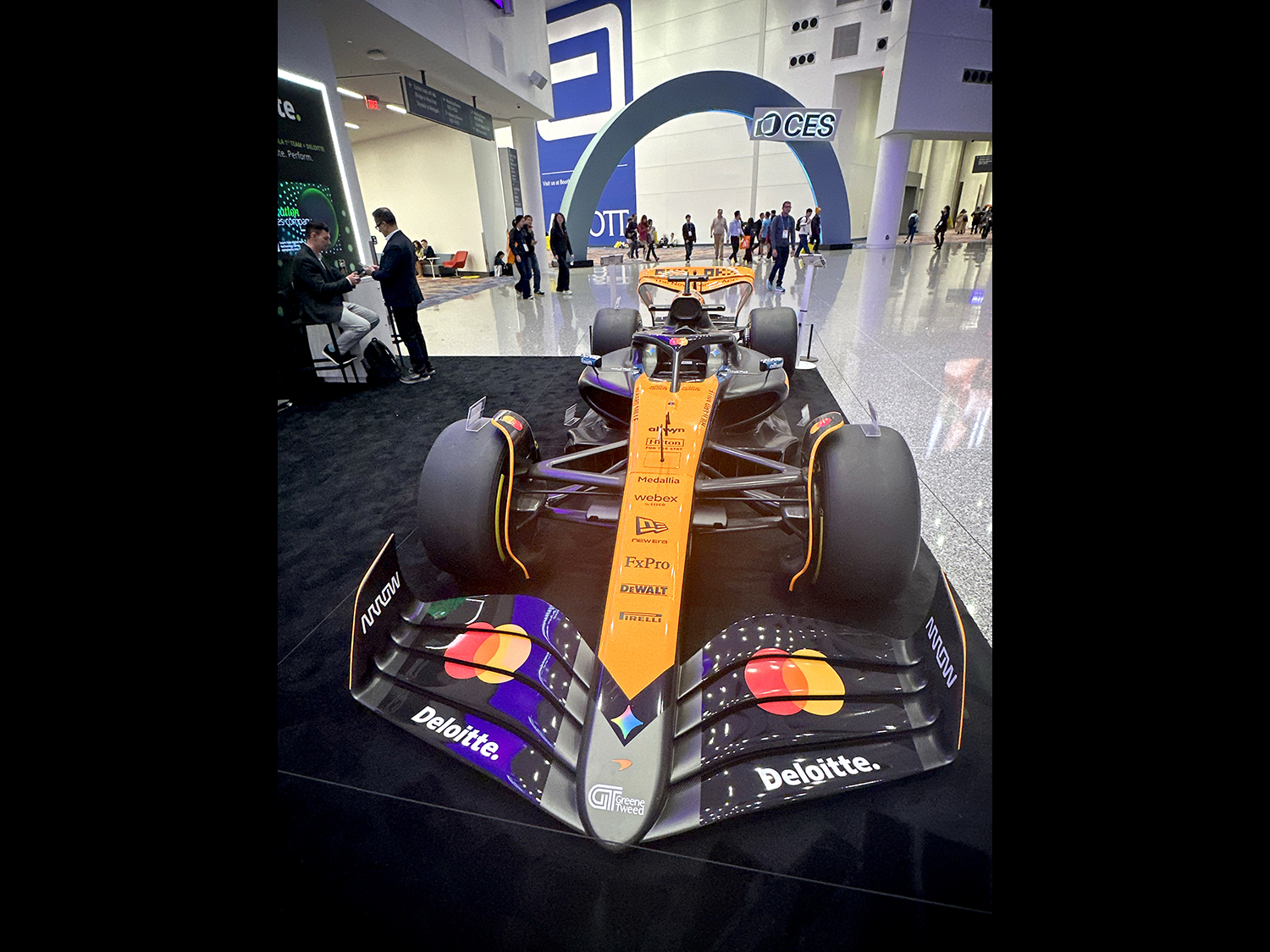
At the entrance of the Las Vegas Convention Center, Deloitte’s Formula E car greets attendees immediately, setting the tone before anyone even steps onto the show floor.

Day two reinforces CES 2026 tech’s spread across everything, homes, transportation, entertainment, and the spaces between.

Photos: AIPImaging.com

Share

CES 2026 Day One: Robots Everywhere, AI in Everything

In the early days of CES 2026, AI and robotics are everywhere. Nearly every hall and booth is showing some version of intelligent tech, whether it’s built into hardware, vehicles, or standalone machines.

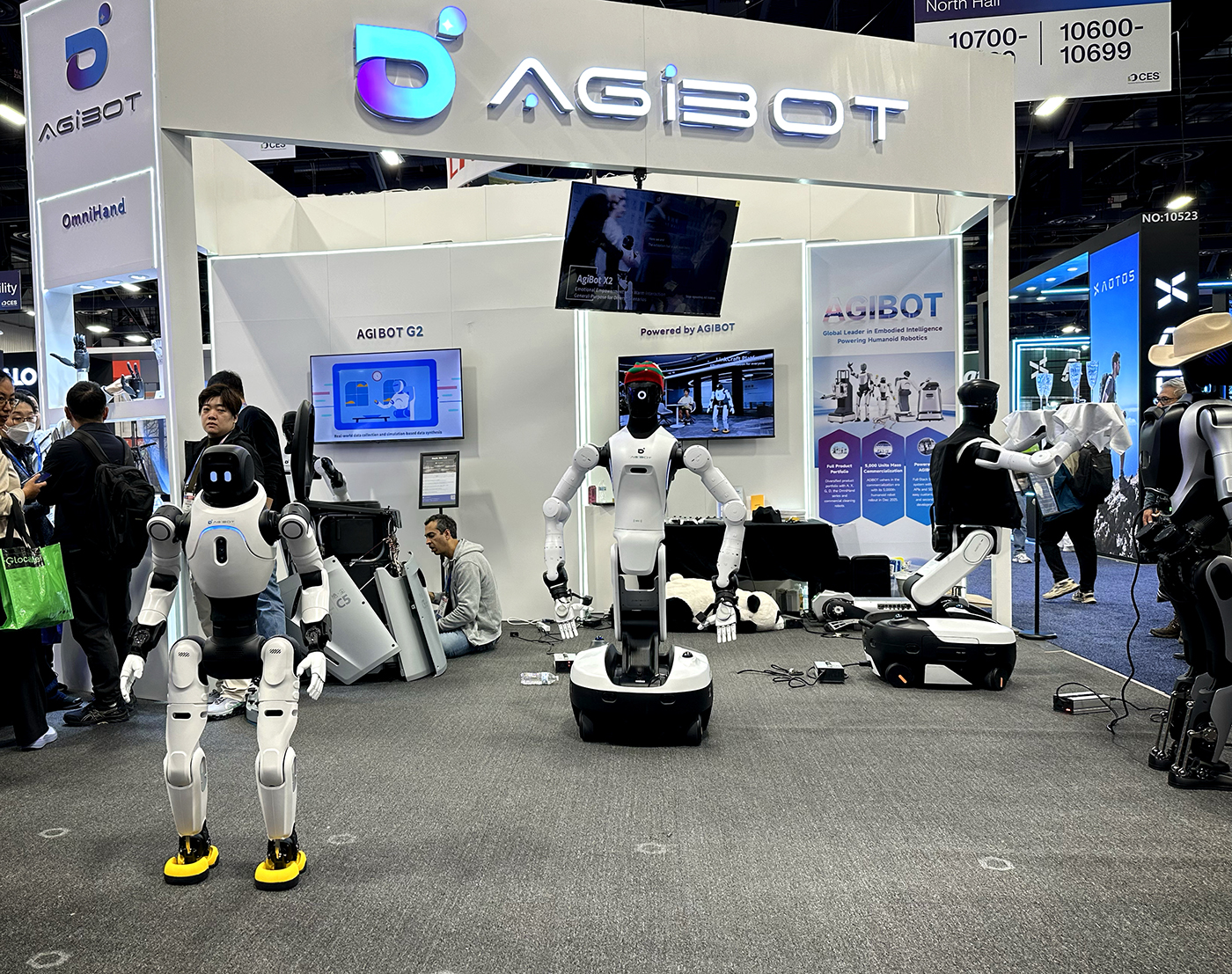
Humanoid robots from companies like AGIBOT and robotic dogs such as the ROVER X1 are common sights on the show floor, making robotics feel less experimental and more expected this year.

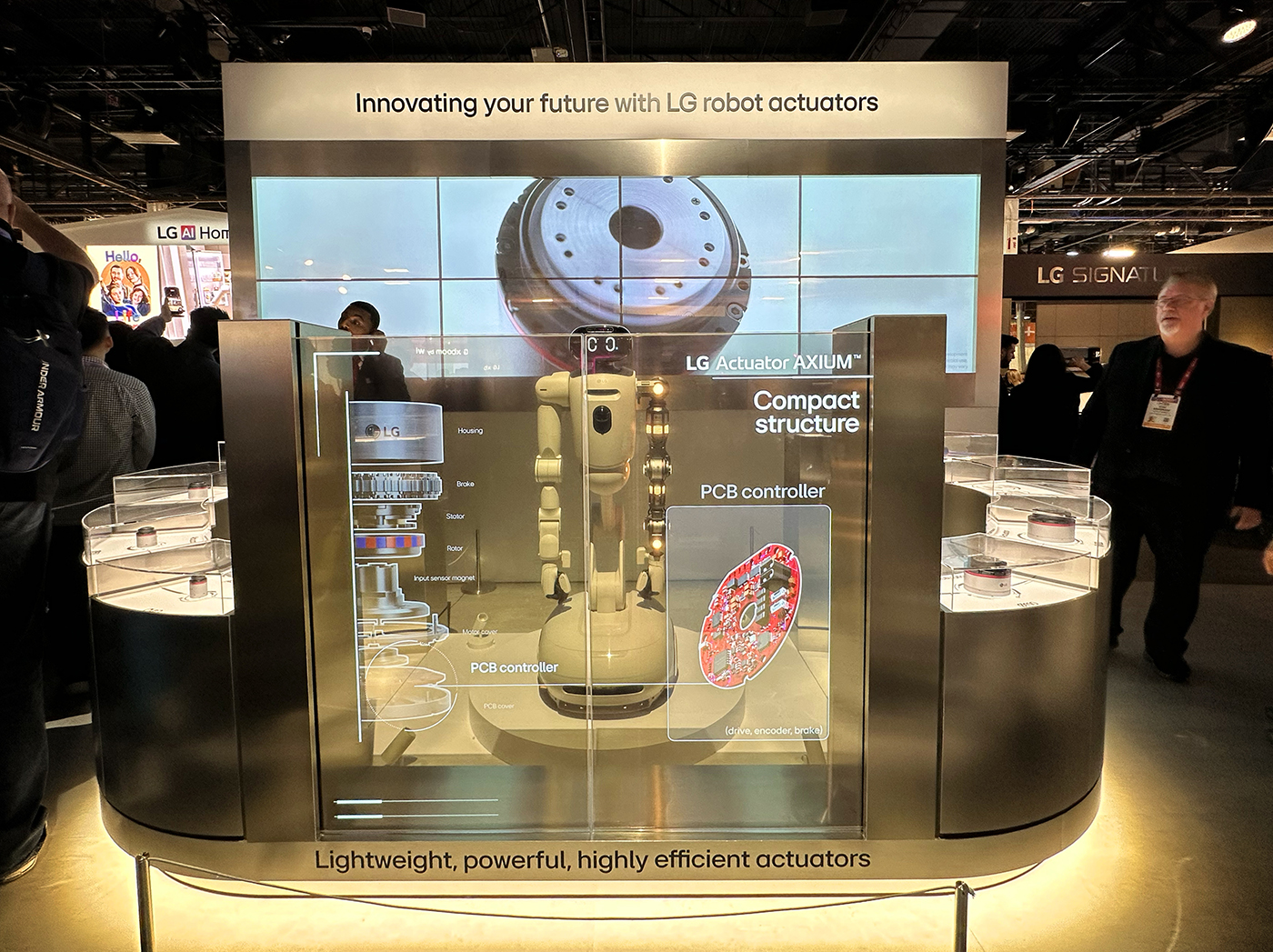
LG is showing both consumer-facing products and behind-the-scenes technology, including its ultra-thin OLED evo W6 wallpaper TV and Actuator AXIUM, a compact motion system tied to future device movement and interaction.

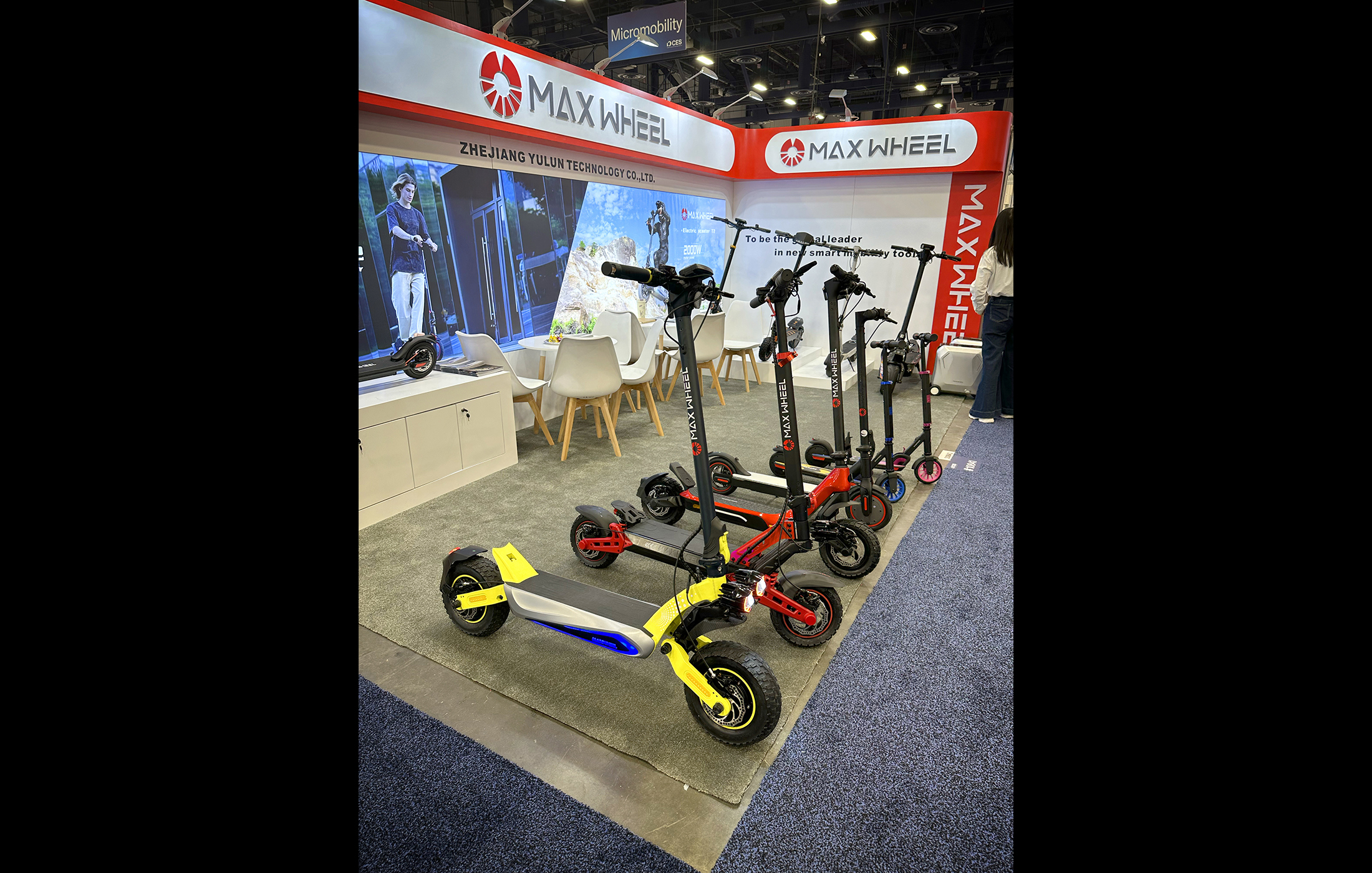
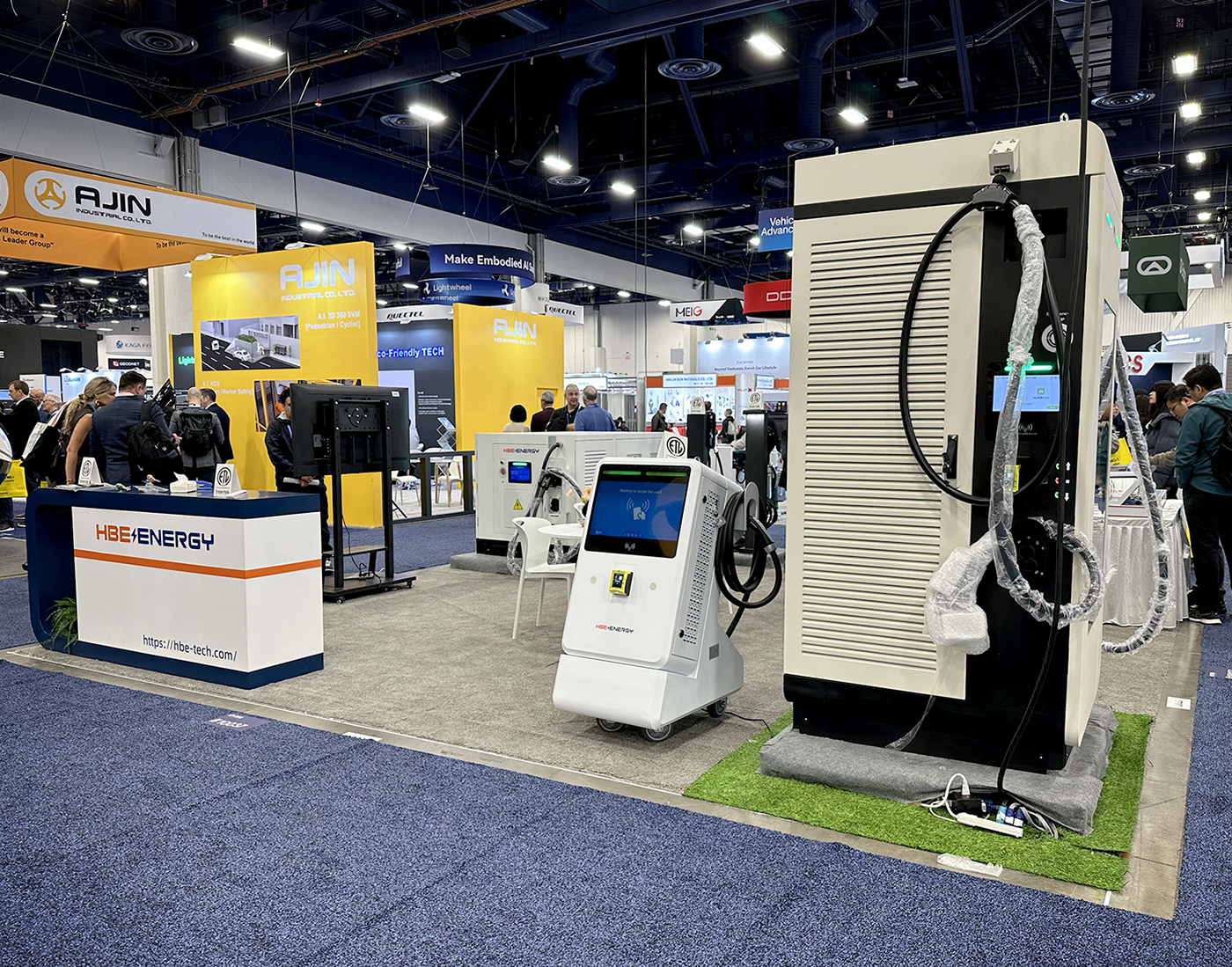
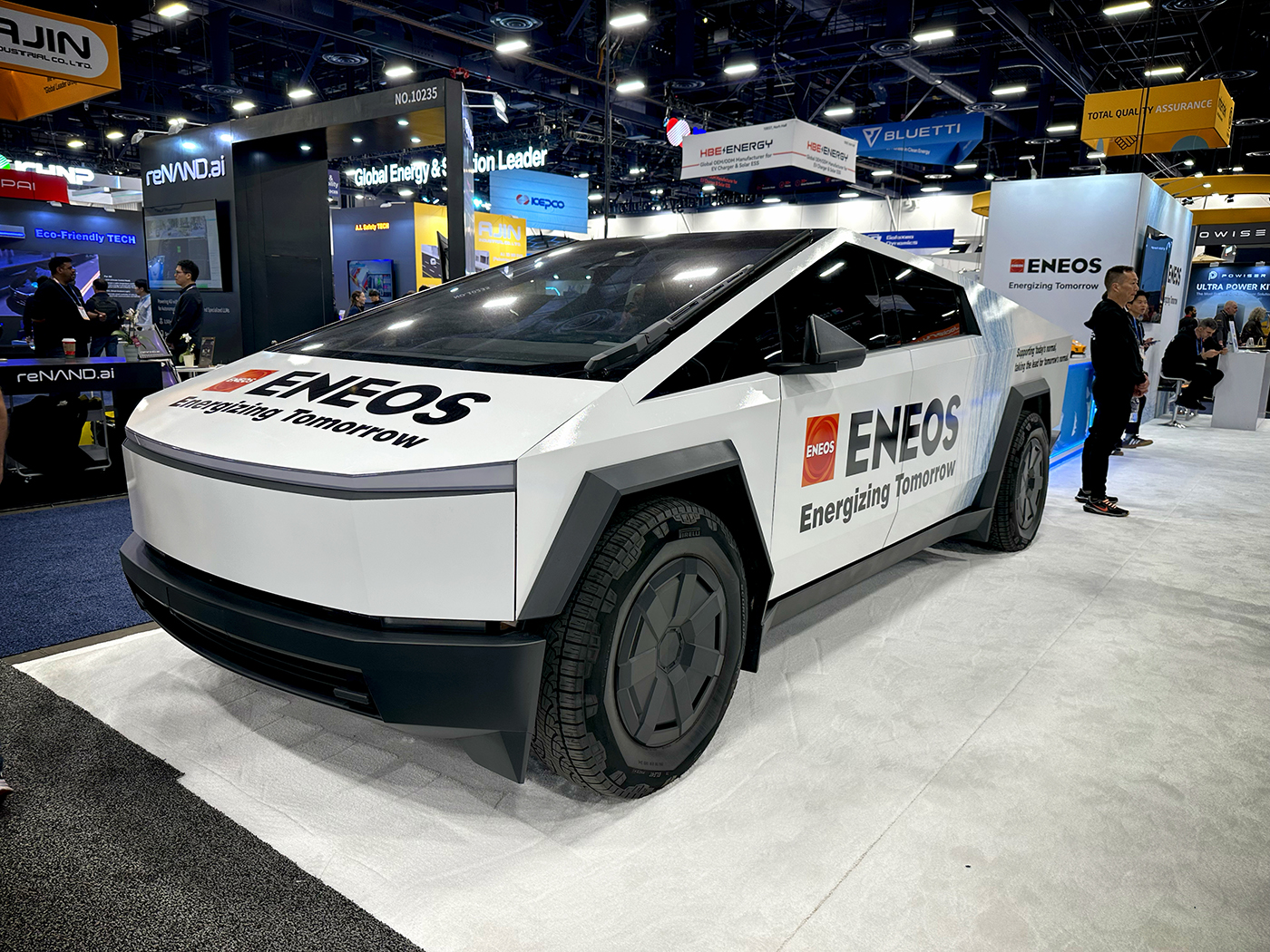
Elsewhere, more practical tech is drawing attention. Maxwheel’s electric scooters point toward everyday mobility, while companies like HBE Energy and ENEOS are focused on infrastructure and energy solutions shaping how connected systems operate at scale.

Share

Tianma Brings Big Screens, Faster Panels, and Car Displays to CES 2026

tianmaAt CES 2026, some of the most interesting display tech isn’t coming from consumer-facing brands, but from the companies supplying them behind the scenes. Tianma, a major global display manufacturer, is one of those players, and its appointment-only showcase in the West Hall offers a glimpse at where screens across phones, cars, and gaming setups are headed.

One of the standout demos is a 108-inch 4K Micro-LED display, built using what Tianma calls the world’s first all-laser mass transfer process on a glass backplane. It’s firmly in prototype territory, but it shows how Micro-LED displays are inching closer to becoming larger and more viable beyond lab demos.

Automotive displays are another major focus. Tianma’s Smart Cockpit 7.0 concept leans into the idea of cars as screen-first environments, featuring a nearly 50-inch curved 8K display, wide head-up displays, and dimming glass designed to replace traditional sunshades.
Continue reading →

Share
Page 2 of 3
1 2 3