Jet2 Partners with Adobe to Build AI-Powered Holiday Planning Tools

ADOBE-JET-2UK tour operator Jet2 is teaming up with Adobe to bring personalized AI features to its 10 million customers.

The multi-year partnership centers on Adobe CX Enterprise Coworker, which uses AI to help Jet2 staff deliver customized travel recommendations at scale. The system will suggest destinations based on each customer’s booking history and preferences, from family resorts to city breaks, and create daily itineraries for travelers already on vacation.

Jet2 will also use Adobe’s content tools to produce on-brand material faster. Adobe Firefly Foundry lets the company build custom AI models trained on its own assets, while Adobe Brand Intelligence keeps outputs consistent across platforms.

A new joint Customer Experience Lab will bring Adobe engineers and Jet2’s digital teams together to test and build new AI services, like smarter ways to match travelers with trips that fit their style.

“Customers know they will always receive a VIP experience when they holiday with us,” said David Hills, Jet2’s chief customer officer. “Working with Adobe will enable us to serve our customers even better, using the power of AI to make every interaction more personal, more relevant, more timely and always helpful.”

Jet2 is the UK’s largest tour operator and third largest airline, flying from 14 UK airports.

Share

Brazilian Broadcast Demo Shows Two Signals Can Share One Frequency

Researchers just pulled off something that could change how TV broadcasts work. At a symposium in Brazil this summer, a team showed they could decode a weaker broadcast signal while canceling out a much stronger one on the same frequency, in real time.

The demo happened at the IEEE International Symposium in João Pessoa in July. Mackenzie Presbyterian University ran the test using tech from labs in Spain, China, Korea, and Canada. The weaker signal they decoded was 37 decibels below the stronger one, a huge power gap.

Why does this matter? Spectrum is expensive and limited. If stations can overlap geographically on the same frequency without interference, that opens up room for local content and more efficient networks. It’s a big deal for the next-gen ATSC 3.0 standard.

Madeleine Noland, president of ATSC, says the demo shows how broadcast tech is evolving beyond traditional TV. Brazil’s been pushing hard on this, with pilots running in Brasília, São Paulo, and Rio de Janeiro.

The work proves that international collaboration can move lab experiments into real-world use. For indie creators and small broadcasters, more efficient spectrum could mean more access and opportunity.

Share

Free TV Gets Cheaper: Broadcast Industry Pushes Toward Affordable NEXTGEN Converter Boxes

The shift to next-generation over-the-air TV just got easier on the wallet.

Pearl TV announced major progress on making NEXTGEN TV converter boxes more affordable, a critical step in moving U.S. households from the old ATSC 1.0 standard to the new ATSC 3.0. The initiative brings together patent holders, tech licensors, testing labs, and security providers, all cutting costs to support cheaper devices that’ll plug into existing TVs.

NEXTGEN TV now reaches 78 markets and over 75% of U.S. TV households. More than 19 million compatible sets have shipped since rollout began. But converter boxes mean viewers don’t need a new TV to access the upgraded broadcasts.

“A successful transition requires affordable products that enable all consumers to continue enjoying free over-the-air television,” says Anne Schelle, Pearl TV’s managing director.

The boxes will support advanced emergency alerts with richer, geo-targeted info and a consistent interface across channels. That framework came out of Sinclair and ONE Media’s work with the NAB NextGen TV News Technology Lab.

And the picture’s only getting better. HDR services are live now for 80 million viewers. Native HDR for sports and entertainment rolls out later this year, with 4K Ultra-HD broadcasts expected in 2027.

New converter boxes should hit retail in early 2027. For an industry preparing to transition more than 1,600 commercial stations, affordable gear matters.

Share

Adobe Jacks Up Creative Cloud Prices, Here’s What Indie Creators Need to Know

Adobe just dropped a bomb on Creative Cloud subscribers. The company’s rebranding Creative Cloud All Apps as “Creative Cloud Pro” and bumping the price to $69.99/month, a significant jump from the current pricing.

The change hits existing subscribers in April 2026.

Here’s the deal. Adobe’s spinning this as adding value, unlimited AI generations, premium features like text-to-video in Firefly, access to partner AI models from Google, OpenAI, and Flux, plus something called Firefly Boards for collaborative mood boarding. You still get all the core apps: Photoshop, Illustrator, Premiere Pro, Lightroom, Adobe Express, and the usual 30,000+ fonts and stock assets.

But let’s be real. For indie creators already stretching budgets, this stings.

Adobe knows it too. They’re offering a cheaper alternative called Creative Cloud Standard. It includes the desktop apps, Photoshop, Illustrator, Lightroom, Premiere Pro, but with limited AI features and restricted access to web and mobile apps. No word yet on what that plan costs, but it’s clearly positioned as the budget option.

The AI stuff is the main differentiator. Creative Cloud Pro gets unlimited standard AI generations and premium features like video generation. Standard plan? Limited AI access. Adobe’s basically saying if you want to use their generative tools seriously, you’re paying the premium.

For working creatives who depend on these tools daily, the price hike is a tough pill. Adobe’s betting that the AI features justify the increase, but plenty of artists and filmmakers are already exploring alternatives, Affinity, DaVinci Resolve, open-source options.

The indie community has always found ways to work around corporate price increases. This might just accelerate that trend.

Existing subscribers can manage or cancel their plans anytime through their Adobe Account. The company’s offering support and FAQs for anyone with questions, but the bottom line is clear: pay more or lose features.

Adobe’s gotten comfortable being the industry standard. Maybe a little too comfortable.

Share

Live Nation to Present at Morgan Stanley TMT Conference

live-nationLive Nation Entertainment will participate in Morgan Stanley’s annual Technology, Media & Telecom Conference next month, one of the industry’s more closely watched investor events.

Joe Berchtold, the company’s president and chief financial officer, is scheduled to speak on March 3, 2026 at 1:05 p.m. PT.

The session will be available via live webcast through the investor section of Live Nation’s website, where executives are expected to discuss business performance and outlook.

Live Nation trades on the New York Stock Exchange under the ticker LYV.

Share

CES 2026: CTHINGS.CO Takes on the Edge AI Scaling Problem

CTHINGSCO ; Armando InquigAt CES 2026, where edge AI and connected systems are everywhere, one recurring issue keeps coming up: scaling those systems without them turning into a mess. That’s the problem CTHINGS.CO is focusing on this year with its Orchestra platform.

Based in Warsaw, CTHINGS.CO works in the space where edge computing, AI, and IoT collide, factories, fleets, smart infrastructure, and other environments where devices don’t always have stable connections or centralized oversight. Orchestra is designed to act as a single control layer, pulling together device management, updates, security, and monitoring across distributed edge systems.

Instead of treating networking, operating systems, and security as separate problems, the platform tries to unify them. The idea is to reduce the operational friction that shows up once pilot projects turn into thousands of deployed devices spread across real-world conditions.

At CES, CTHINGS.CO is showing how Orchestra handles common edge challenges like inconsistent connectivity, remote updates without downtime, and enforcing security across large device fleets. The system also includes an AI-assisted layer aimed at surfacing issues faster and helping teams manage edge environments without constant manual intervention.

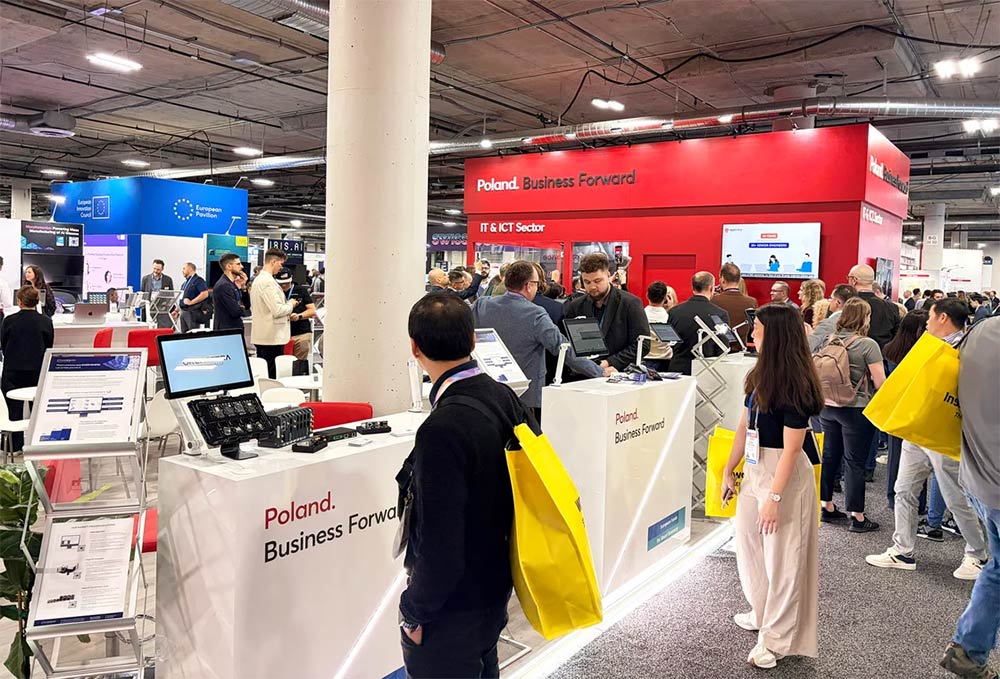
The company is exhibiting at the Polish Pavilion in the Venetian Expo, positioning Orchestra less as a flashy demo and more as infrastructure for systems that need to stay online, secure, and manageable over time.

Share

.lumen Wins CES 2026 Accessibility Award for AI Glasses Designed for the Blind

lumen-wins-CES-2026-innovation-awards

lumen CES-2026

CES 2026 included a wide range of accessibility-focused technology, and .lumen was among the companies recognized for its work in that area.

The European deep-tech startup received the CTA Foundation Pitch Competition for Accessibility award, which comes with a $10,000 prize. The award was given for .lumen’s AI-powered glasses designed to help blind users move independently without relying on guide dogs, smartphones, or constant internet access.

The wearable uses computer vision and on-device AI to interpret surrounding space in real time. Instead of audio prompts, it guides users through a haptic feedback system, allowing for hands-free navigation in unfamiliar environments.

Founder and CEO Cornel Amariei noted that the project grew out of personal experience and long-term exposure to accessibility challenges. He also pointed to the gap between the number of visually impaired people worldwide and the limited availability of guide dogs.

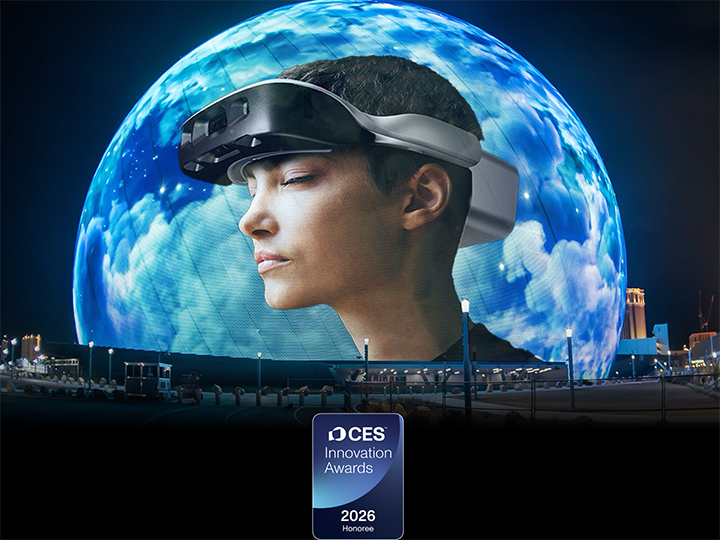
In addition to the CTA Foundation award, .lumen was named a CES 2026 Innovation Award Honoree. The company also received recognition last year through a U.S. Army pitch competition.

Share

CES 2026: Early Days, Day Two on the Show Floor

By Armando

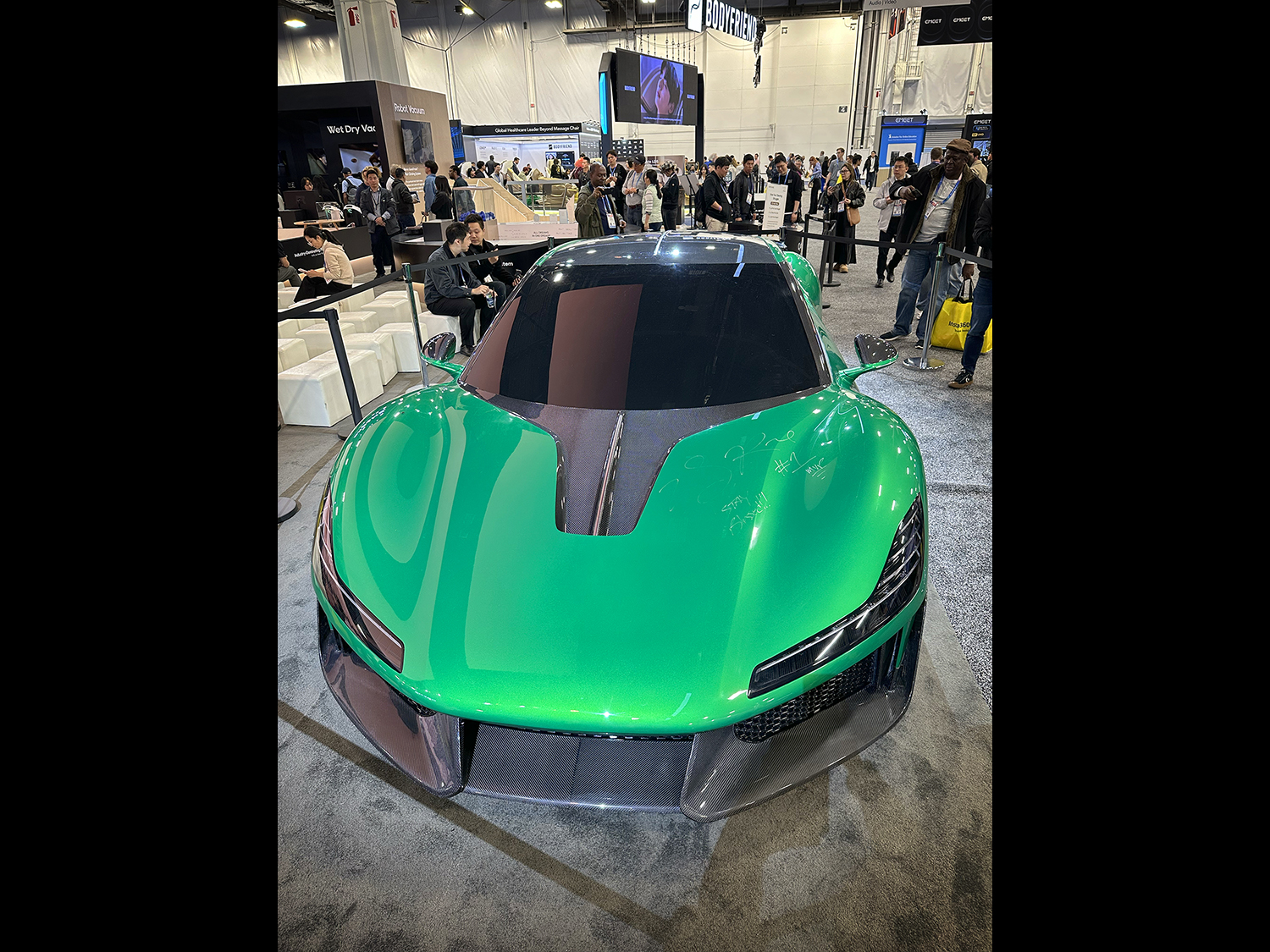
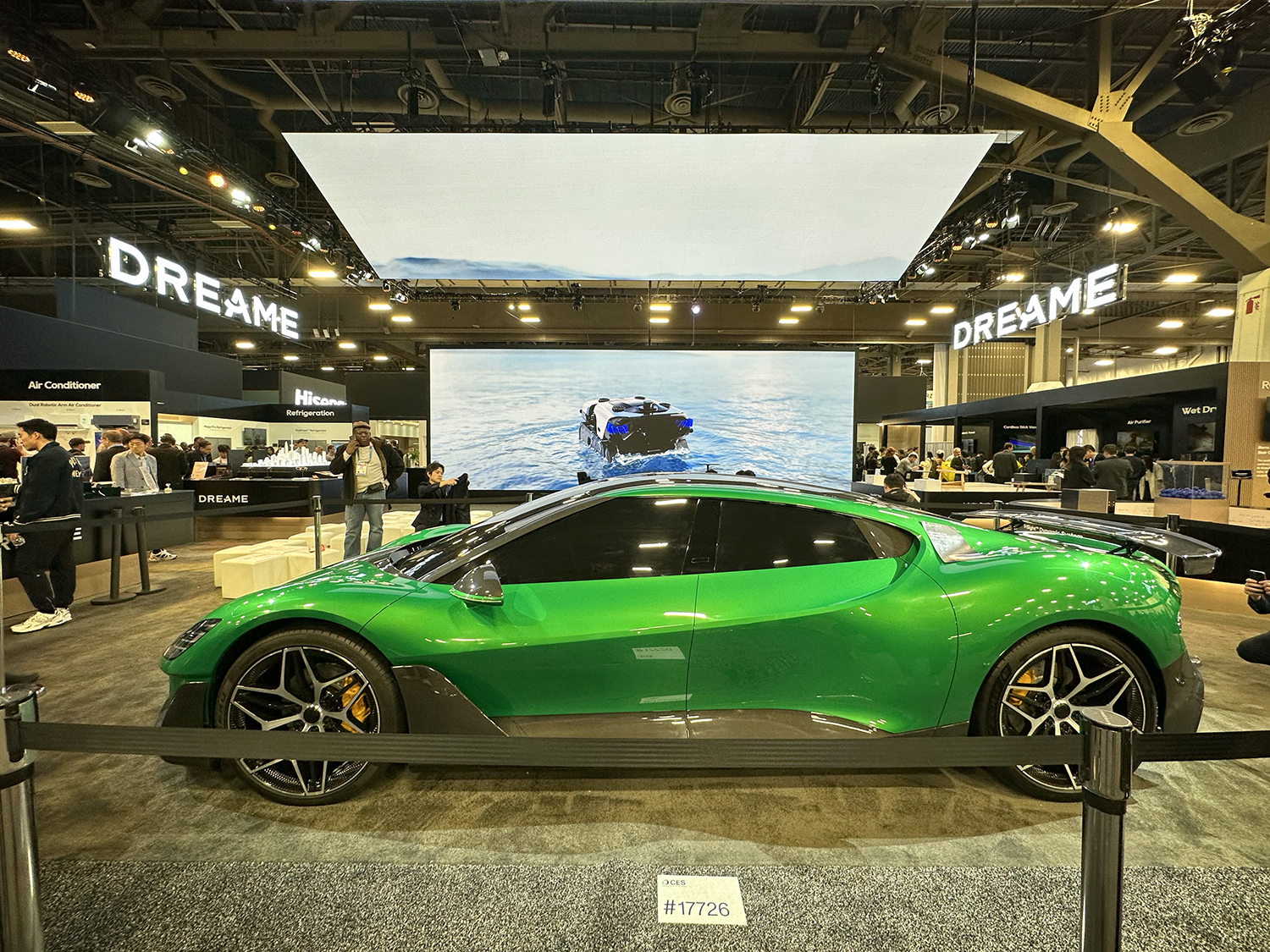
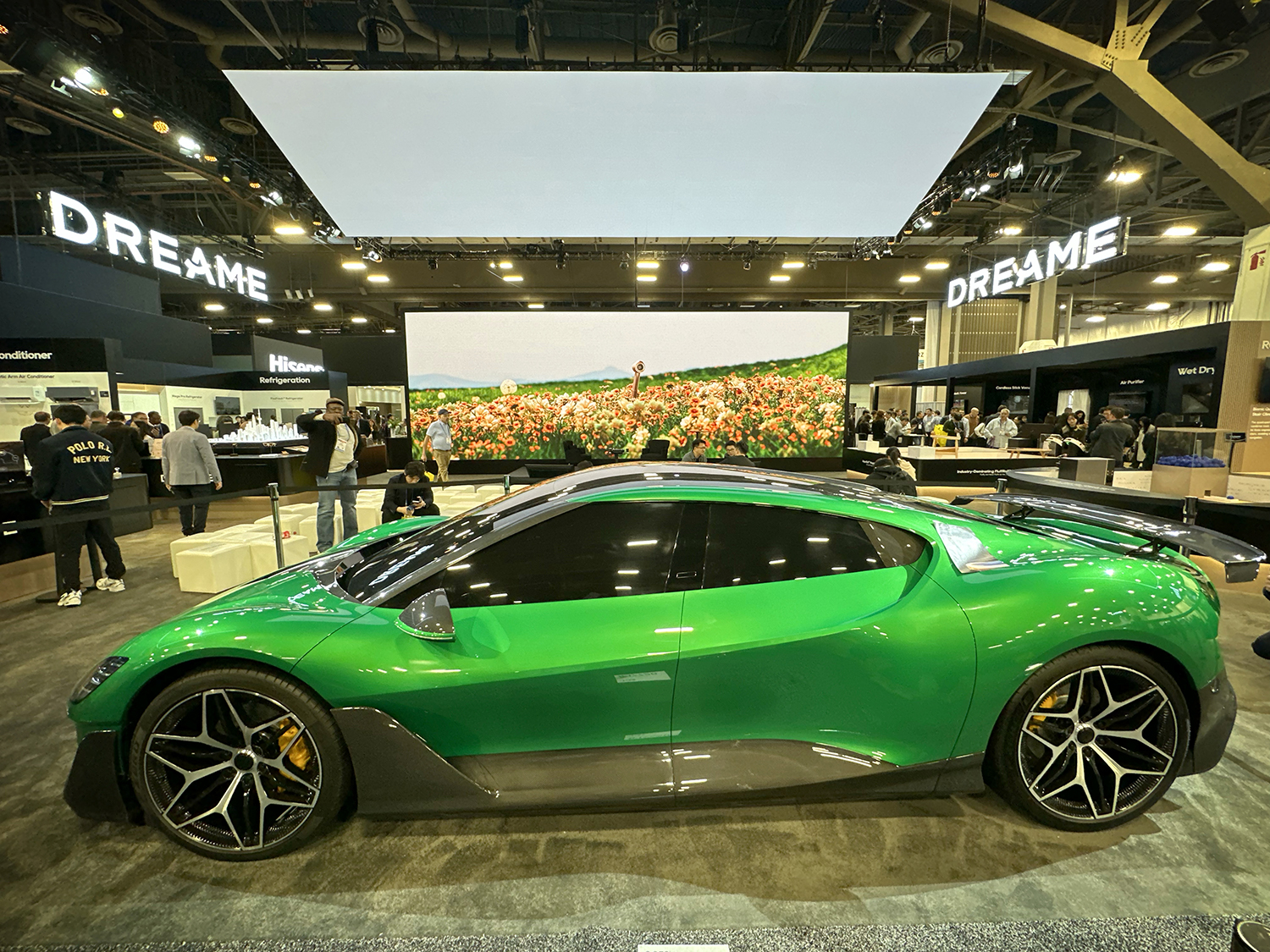
Second day at CES 2026, Displays are bigger, vehicles are more experimental, and mobility concepts are no longer confined to a category.

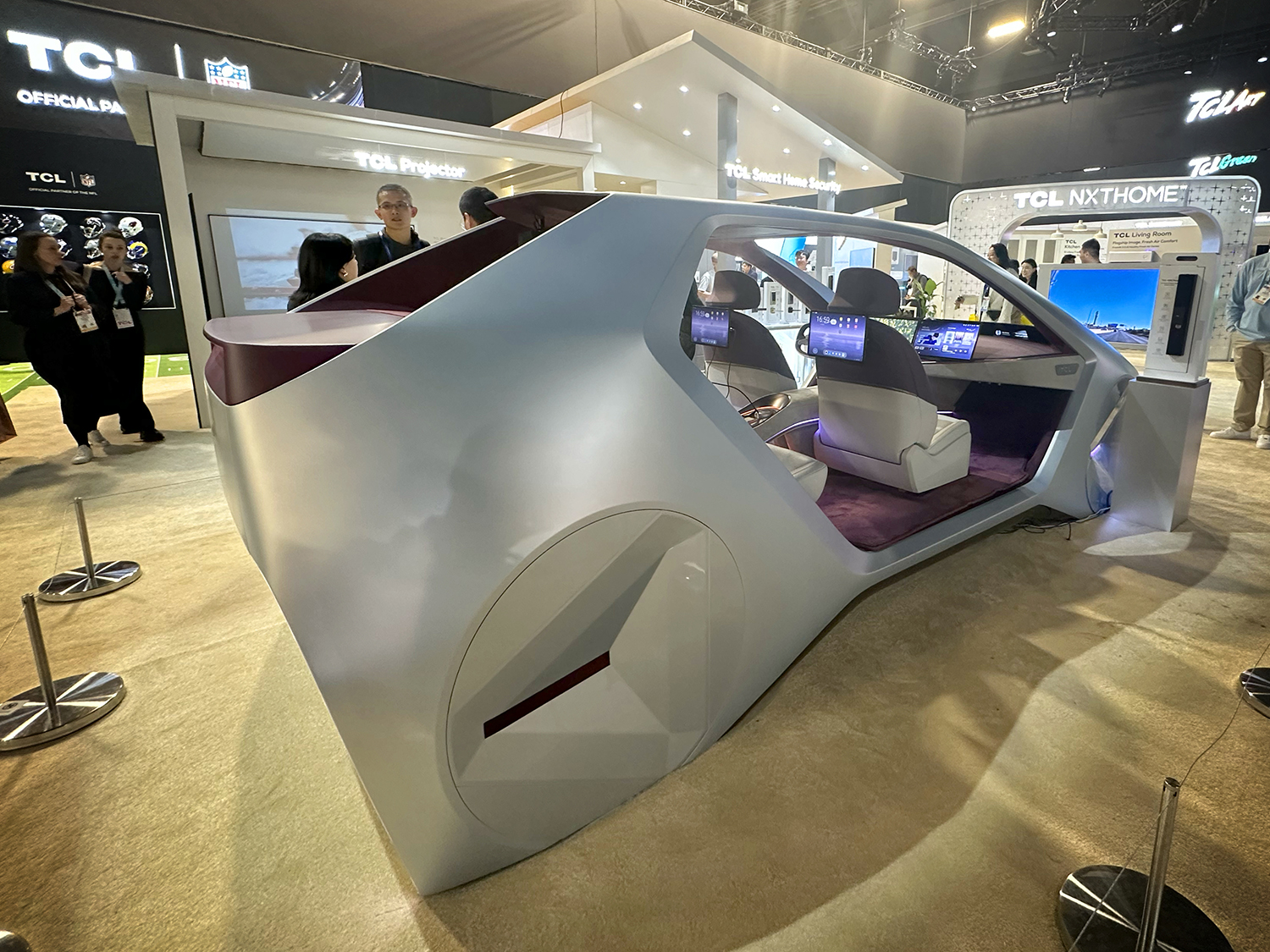
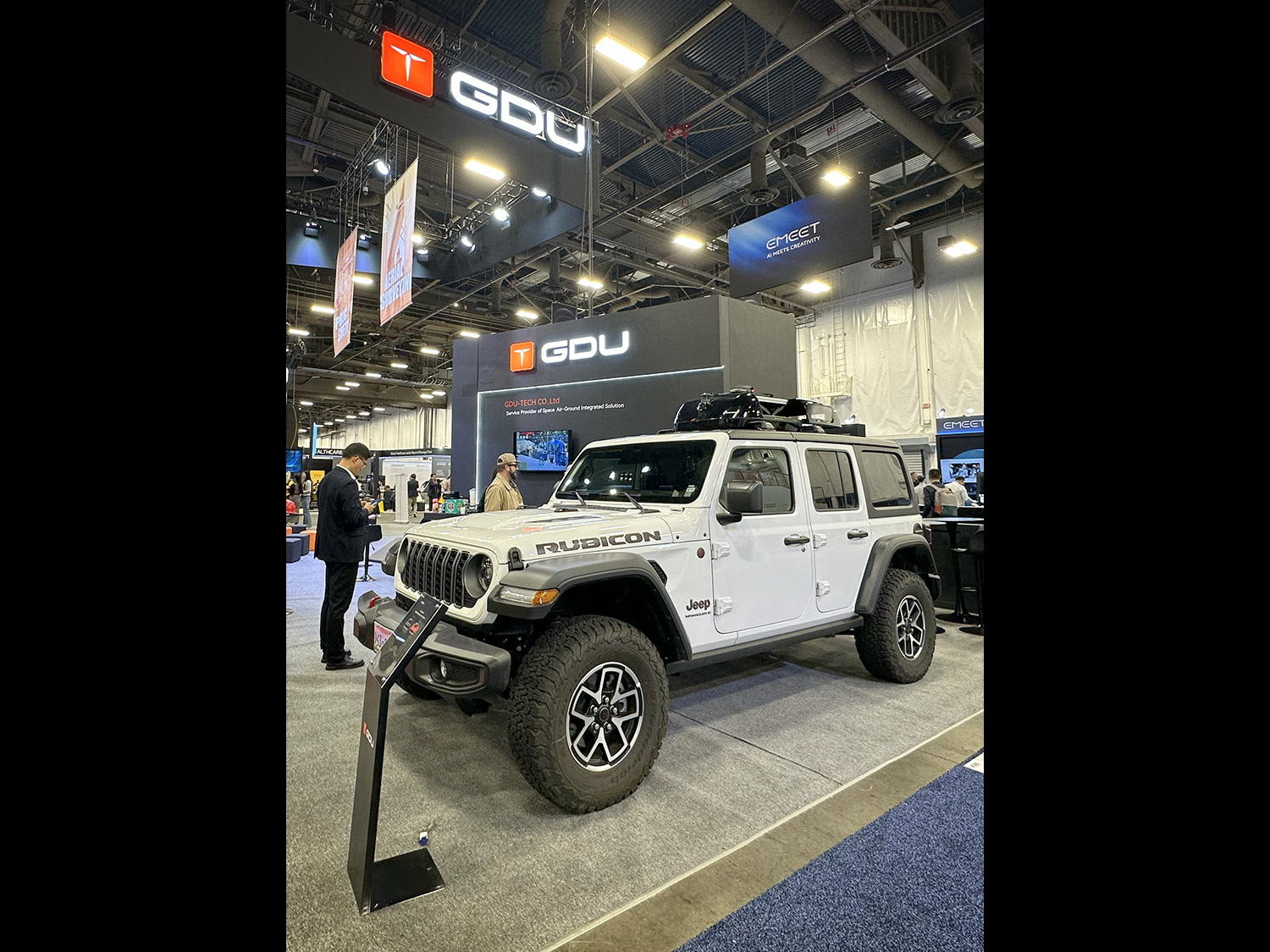
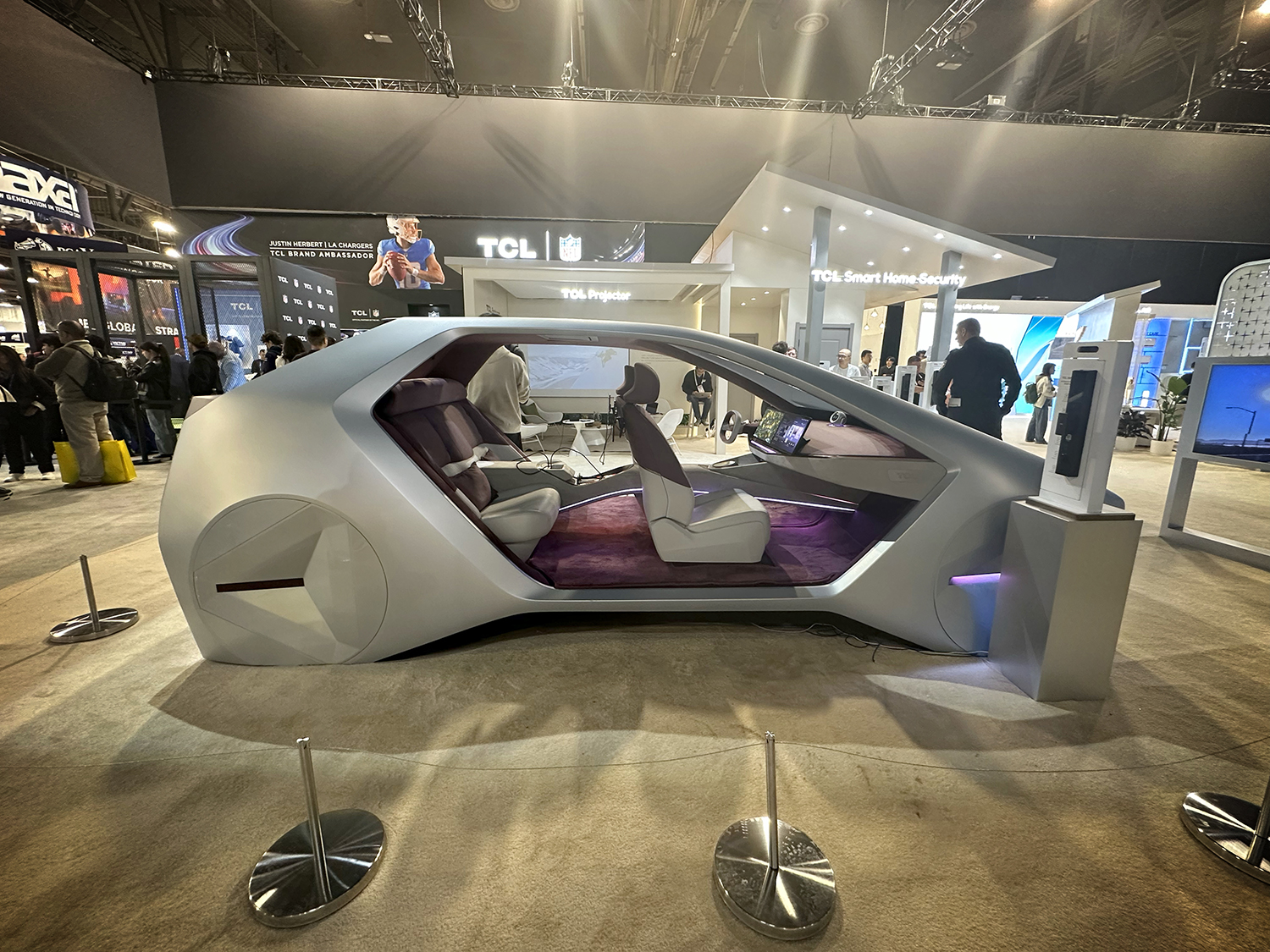
Brands like TCL are pushing further into connected mobility with NXTAUTO concept interiors, blending automotive design with large-format displays and in-cabin experiences. DREAME’s massive booth leans into smart home appliances at scale, while CHiQ continues positioning itself as a design-forward consumer electronics brand.

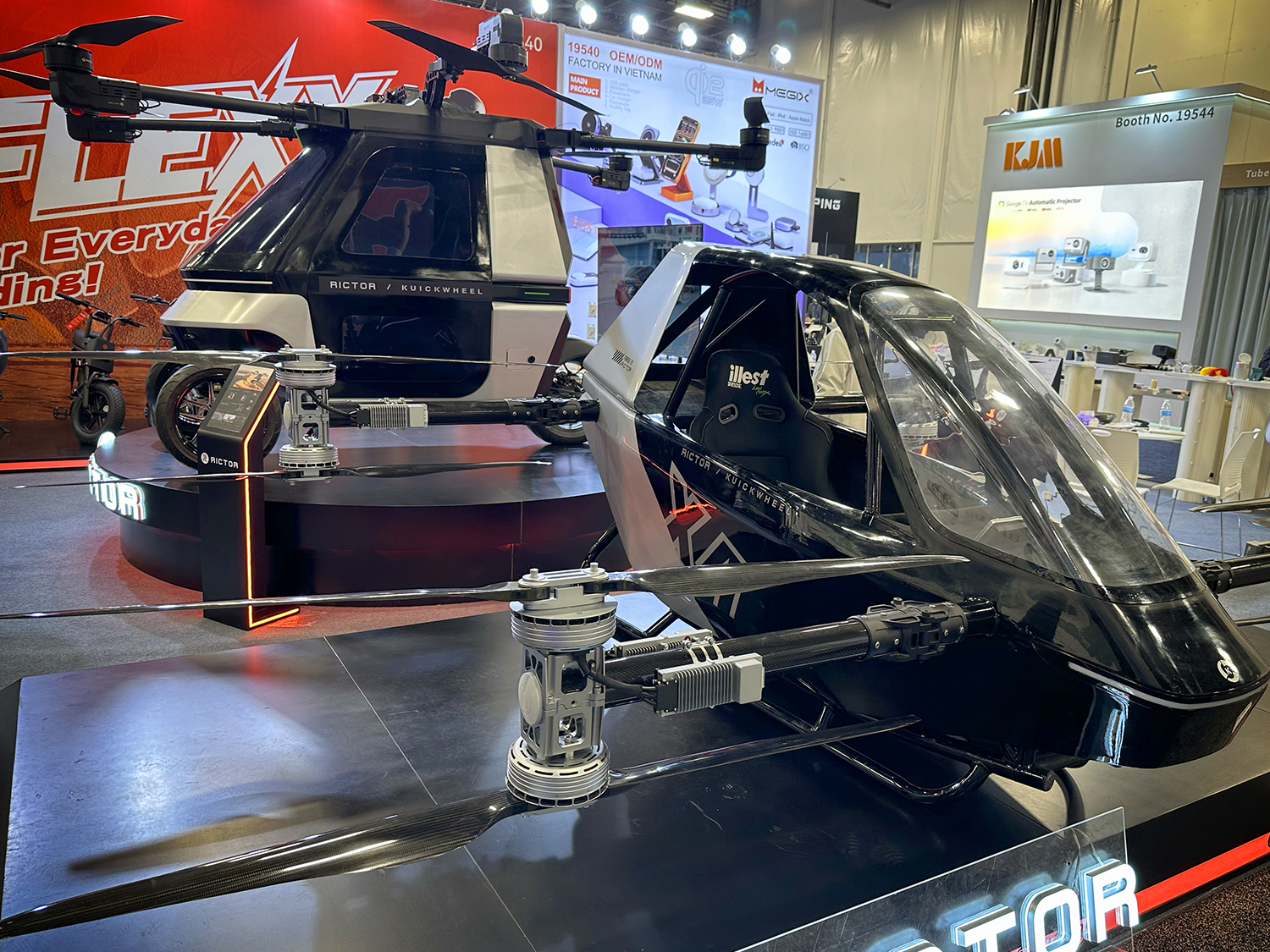
Elsewhere, GDU and RICTOR / Kuickwheel showcase alternative mobility ideas, from rugged drones to hybrid personal transport concepts that blur the line between vehicle and gadget.

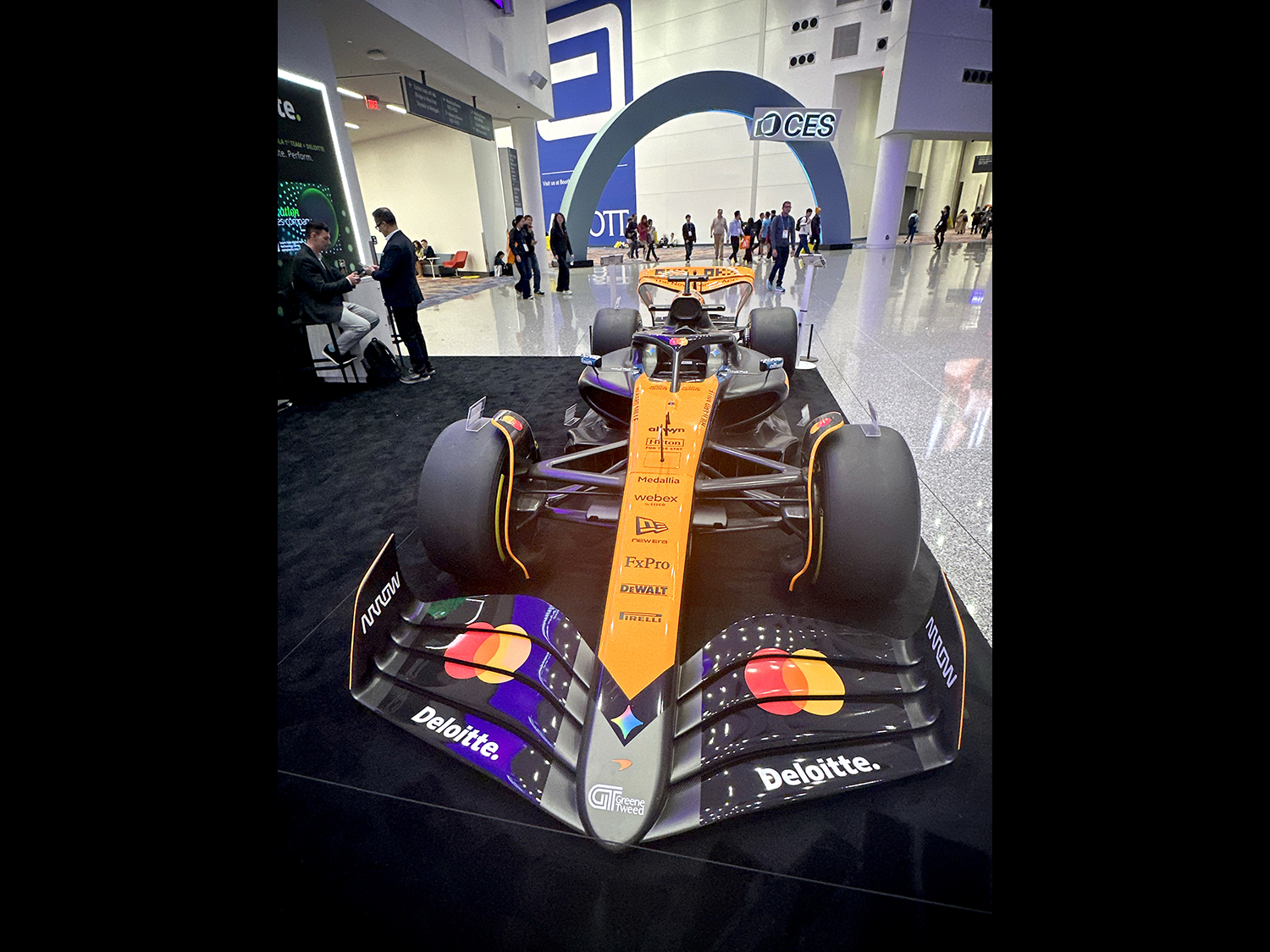
At the entrance of the Las Vegas Convention Center, Deloitte’s Formula E car greets attendees immediately, setting the tone before anyone even steps onto the show floor.

Day two reinforces CES 2026 tech’s spread across everything, homes, transportation, entertainment, and the spaces between.

Photos: AIPImaging.com

Share

CES 2026 Day One: Robots Everywhere, AI in Everything

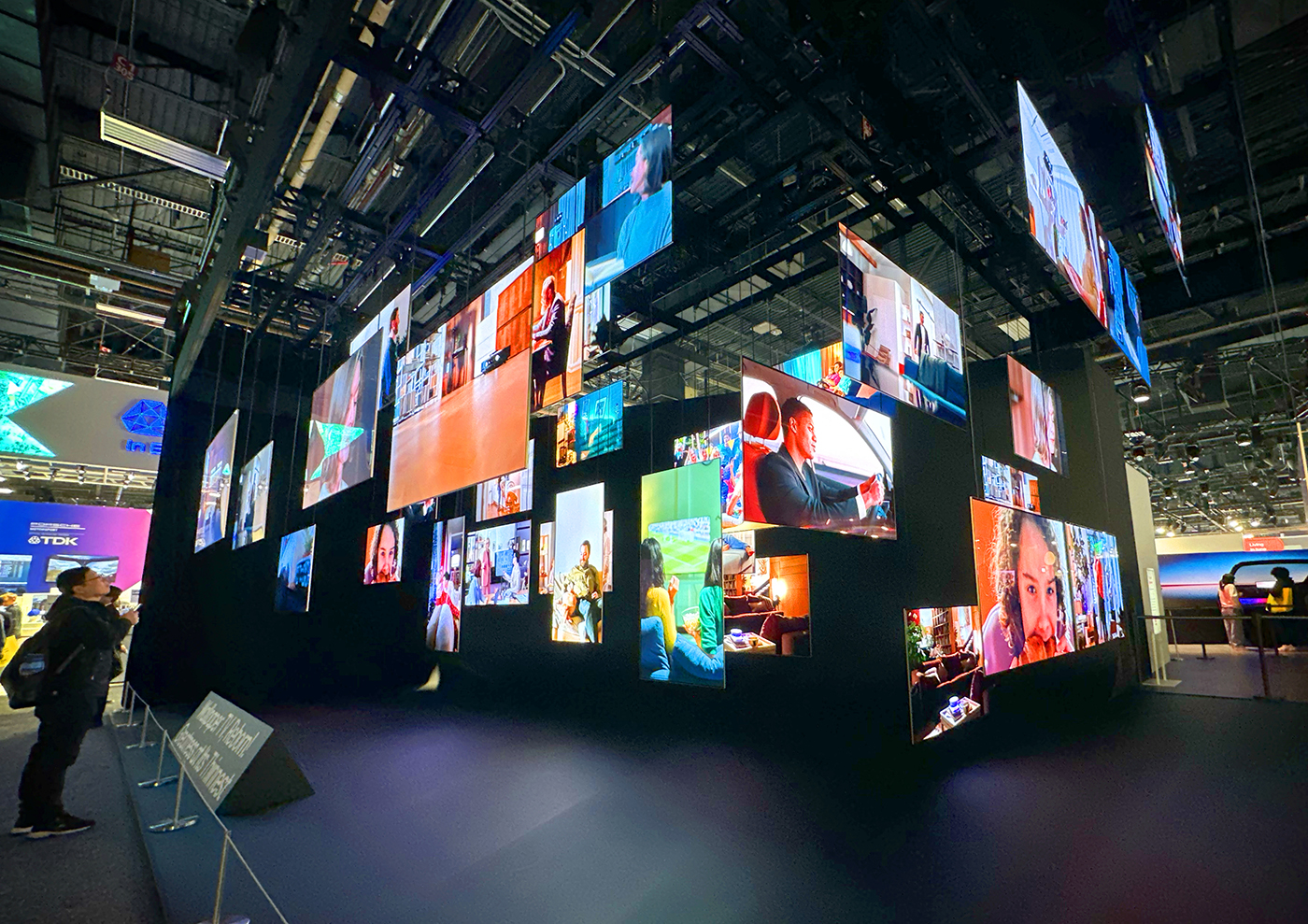
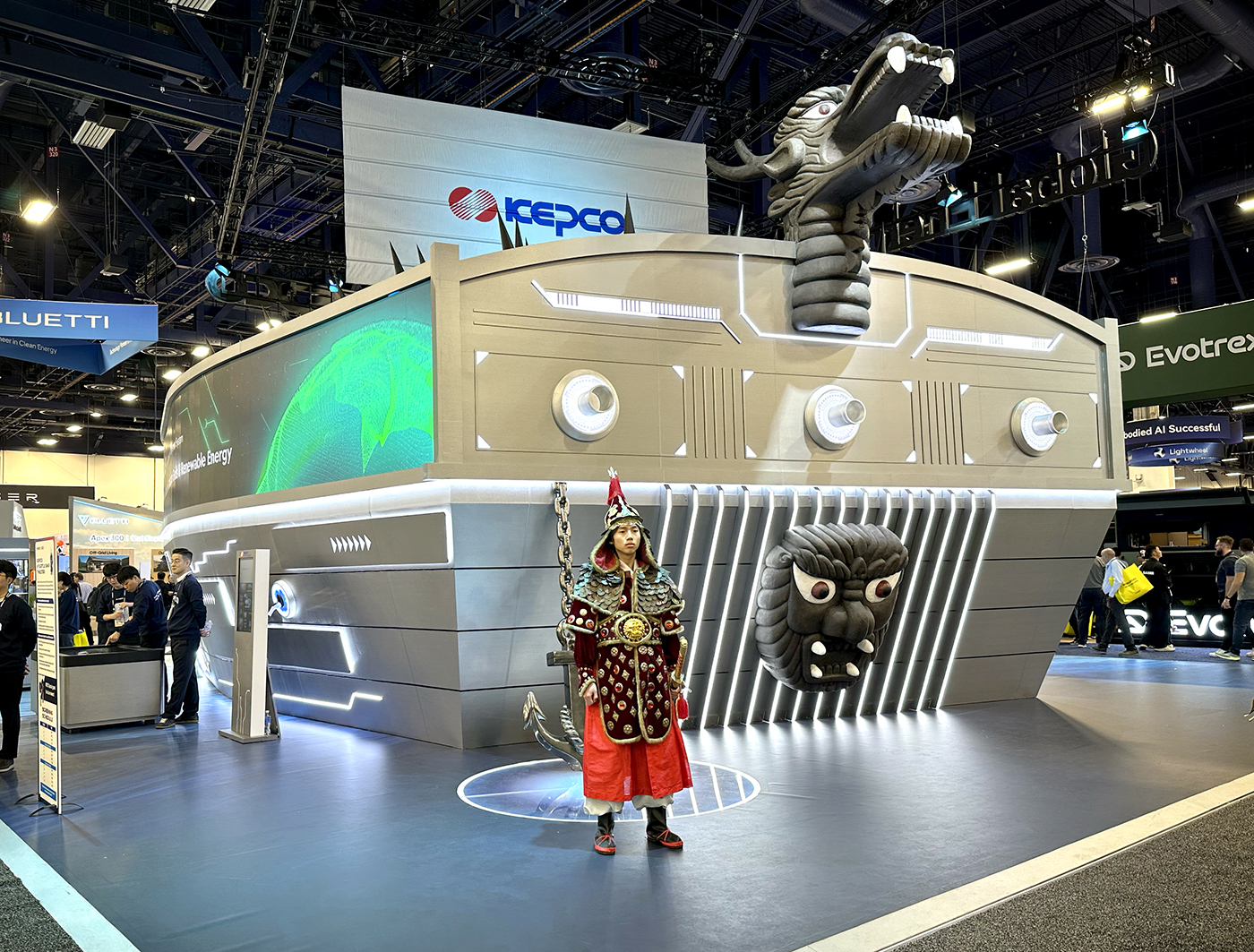
In the early days of CES 2026, AI and robotics are everywhere. Nearly every hall and booth is showing some version of intelligent tech, whether it’s built into hardware, vehicles, or standalone machines.

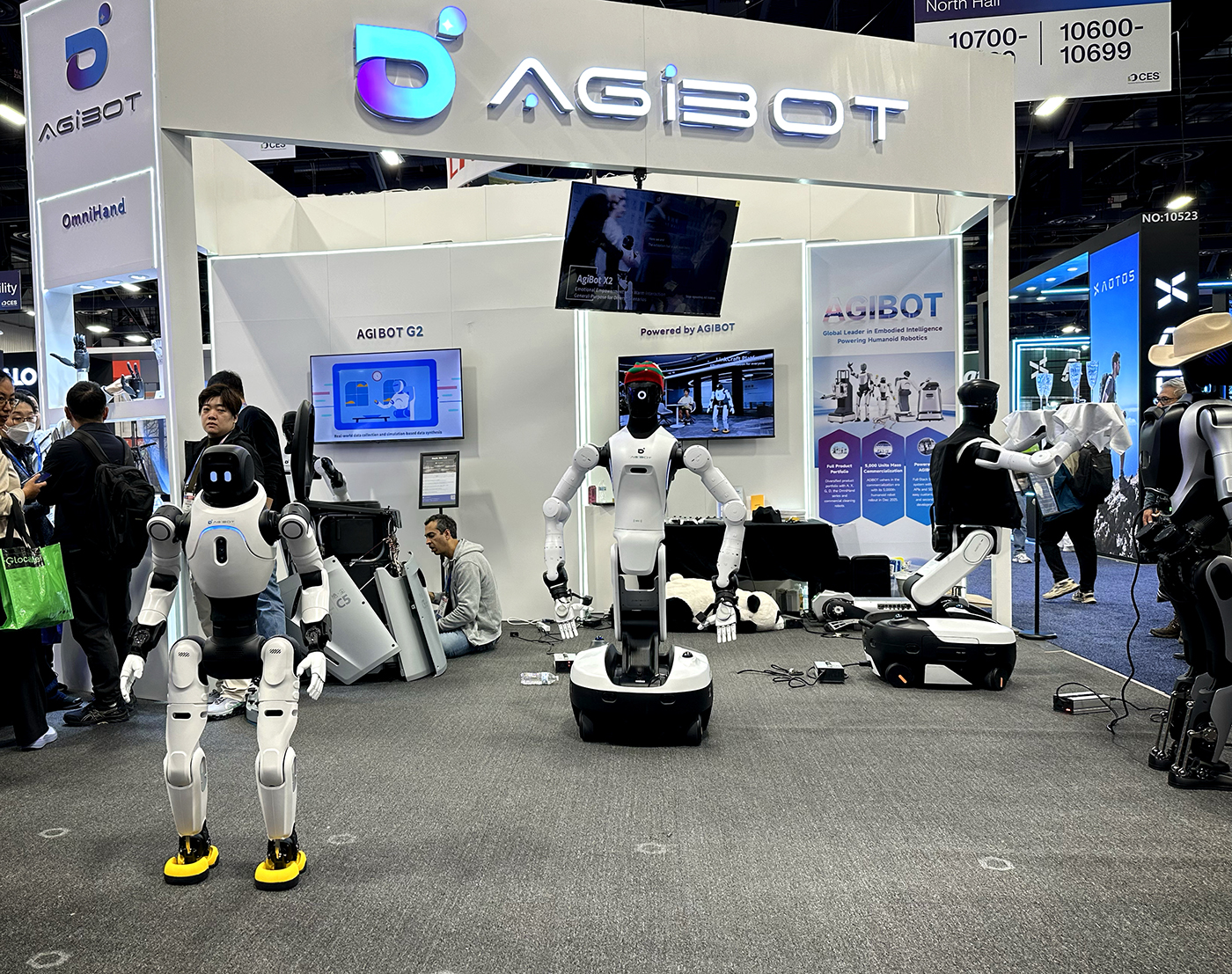
Humanoid robots from companies like AGIBOT and robotic dogs such as the ROVER X1 are common sights on the show floor, making robotics feel less experimental and more expected this year.

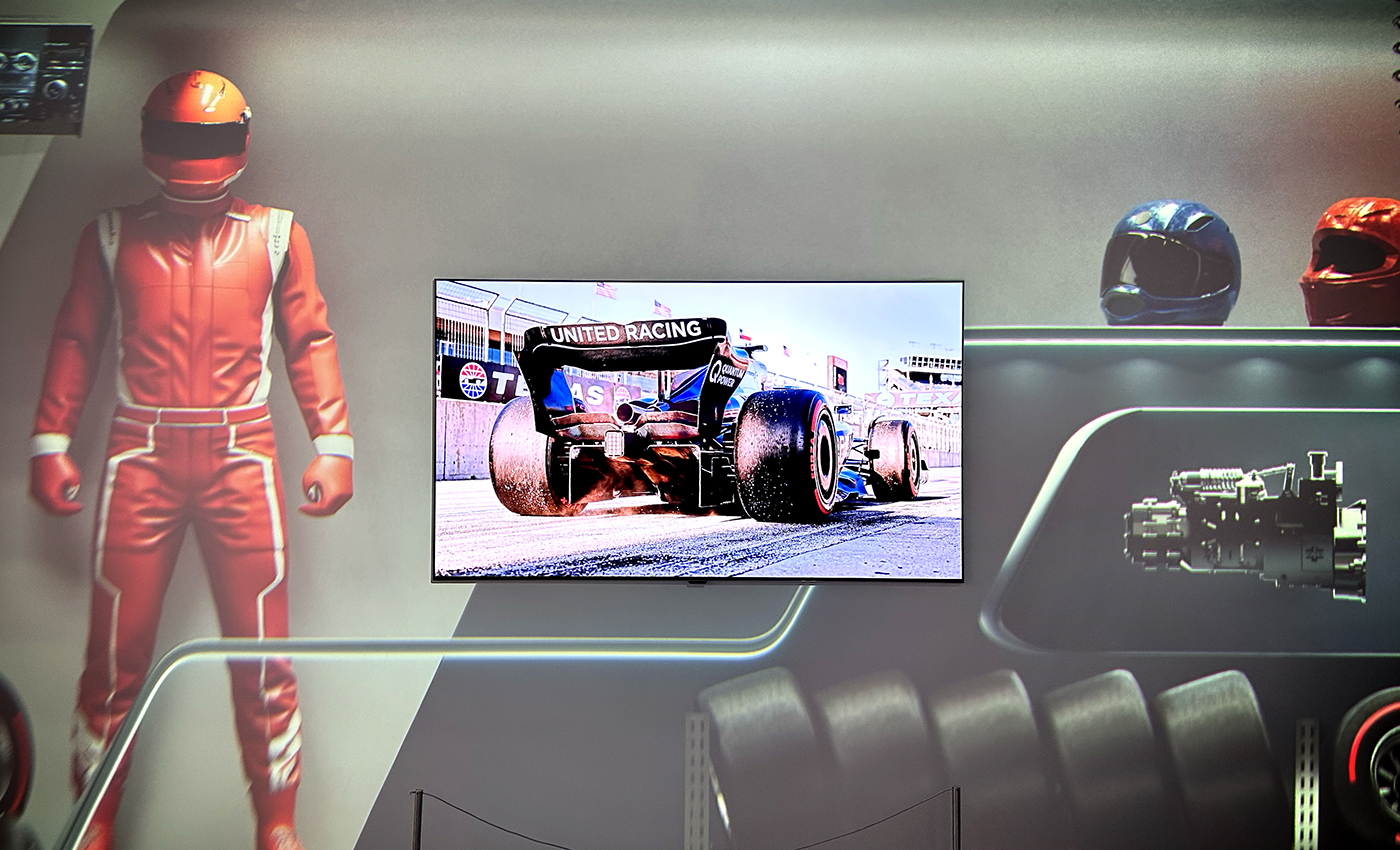
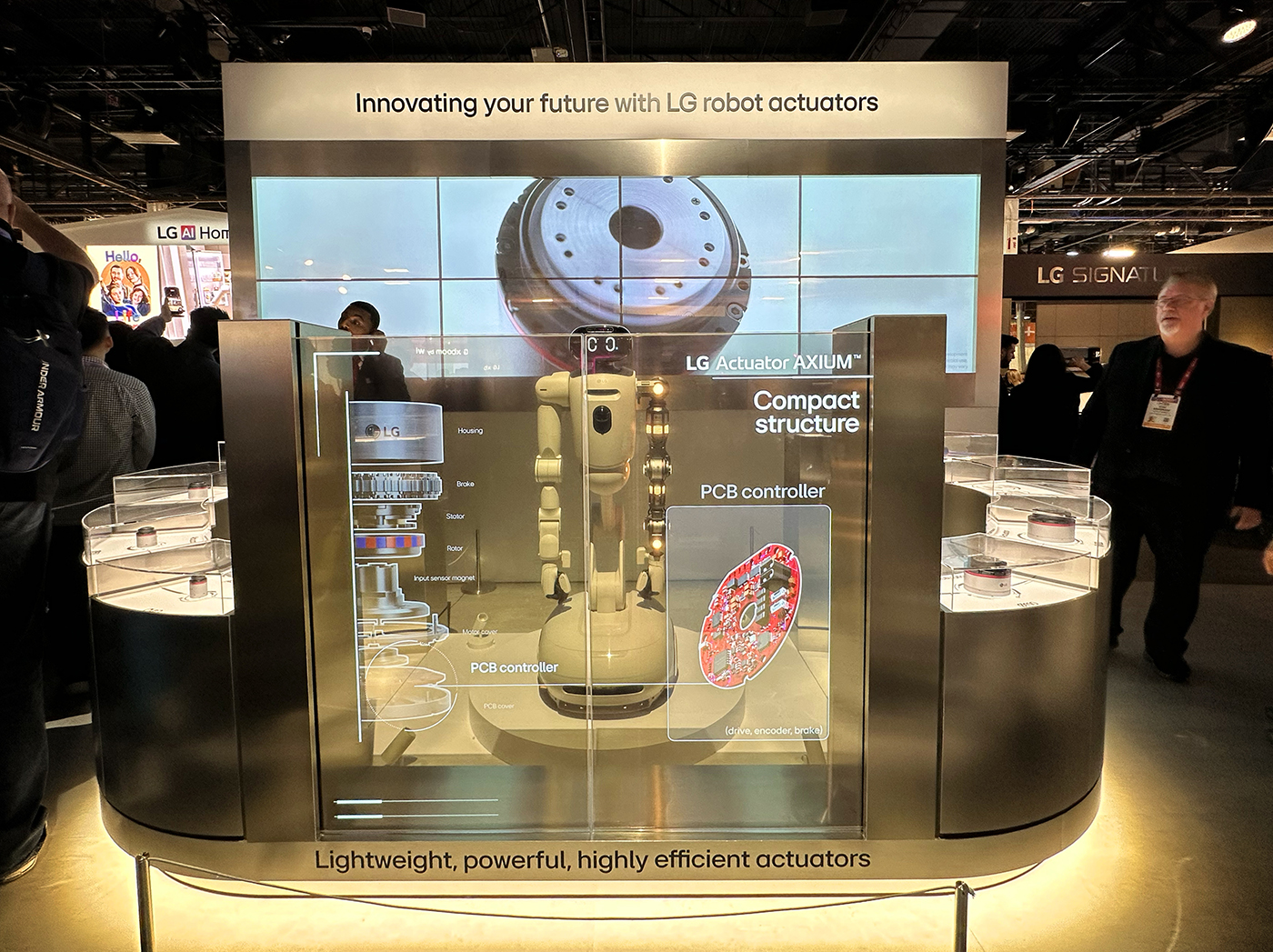
LG is showing both consumer-facing products and behind-the-scenes technology, including its ultra-thin OLED evo W6 wallpaper TV and Actuator AXIUM, a compact motion system tied to future device movement and interaction.

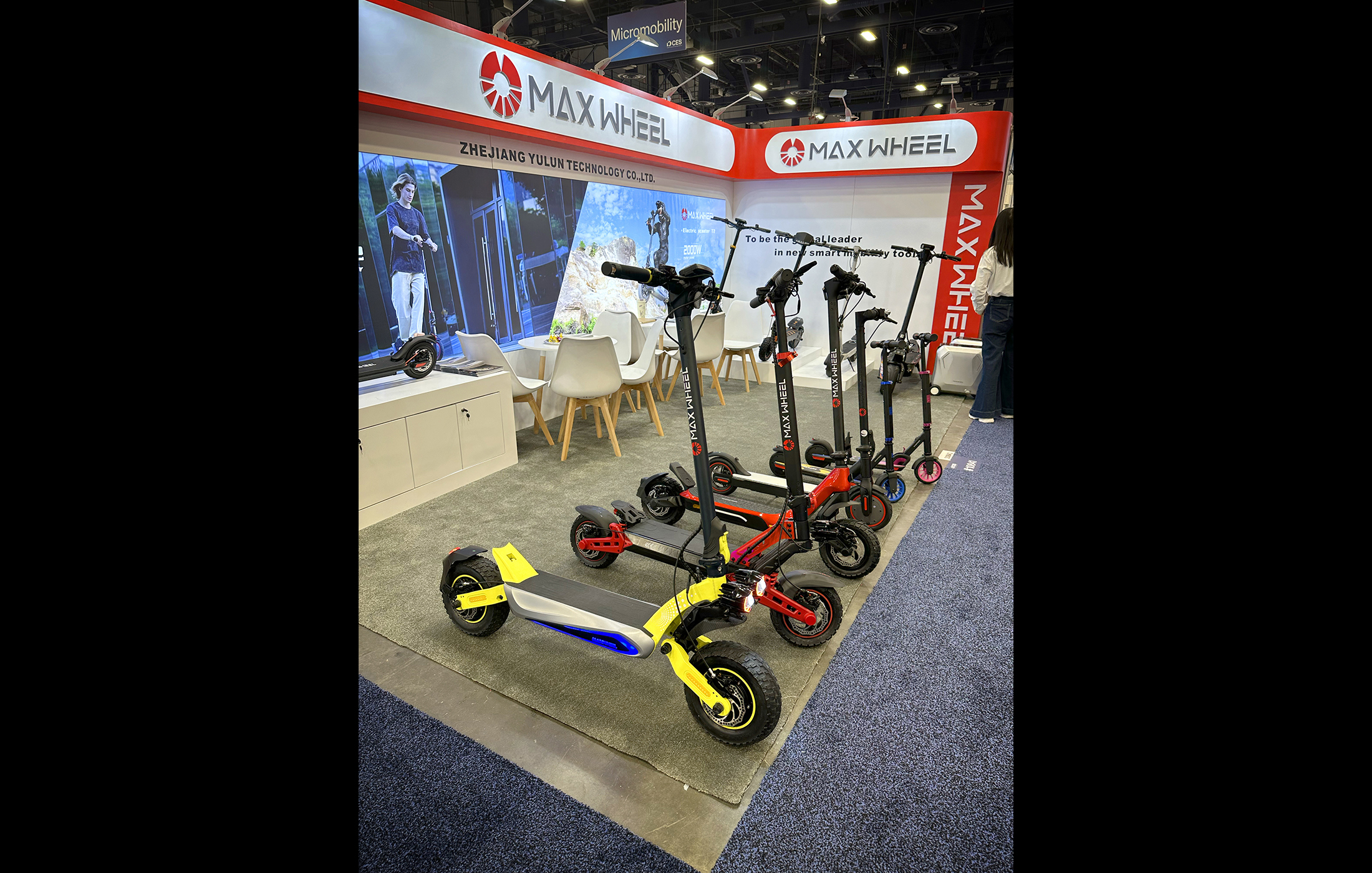
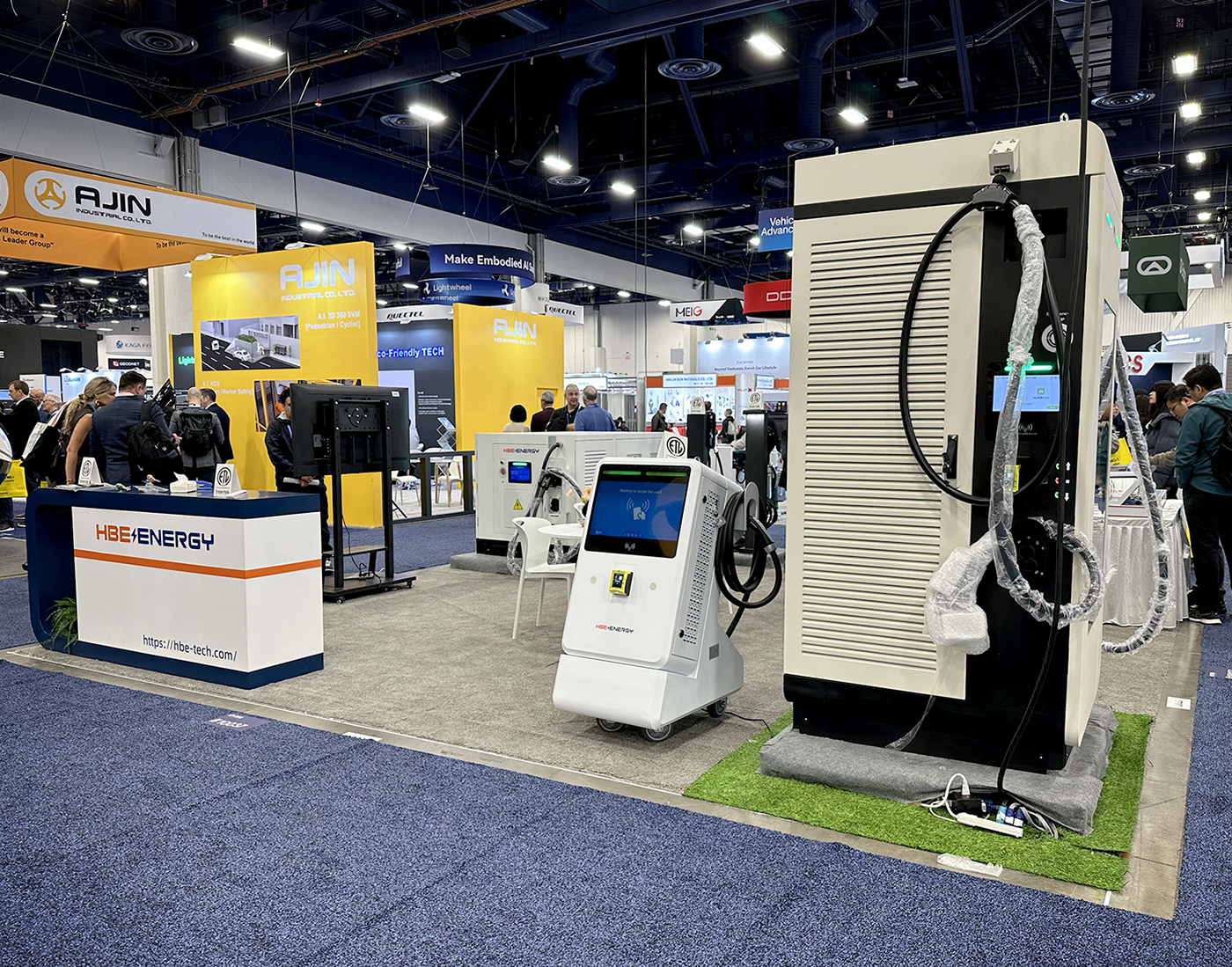
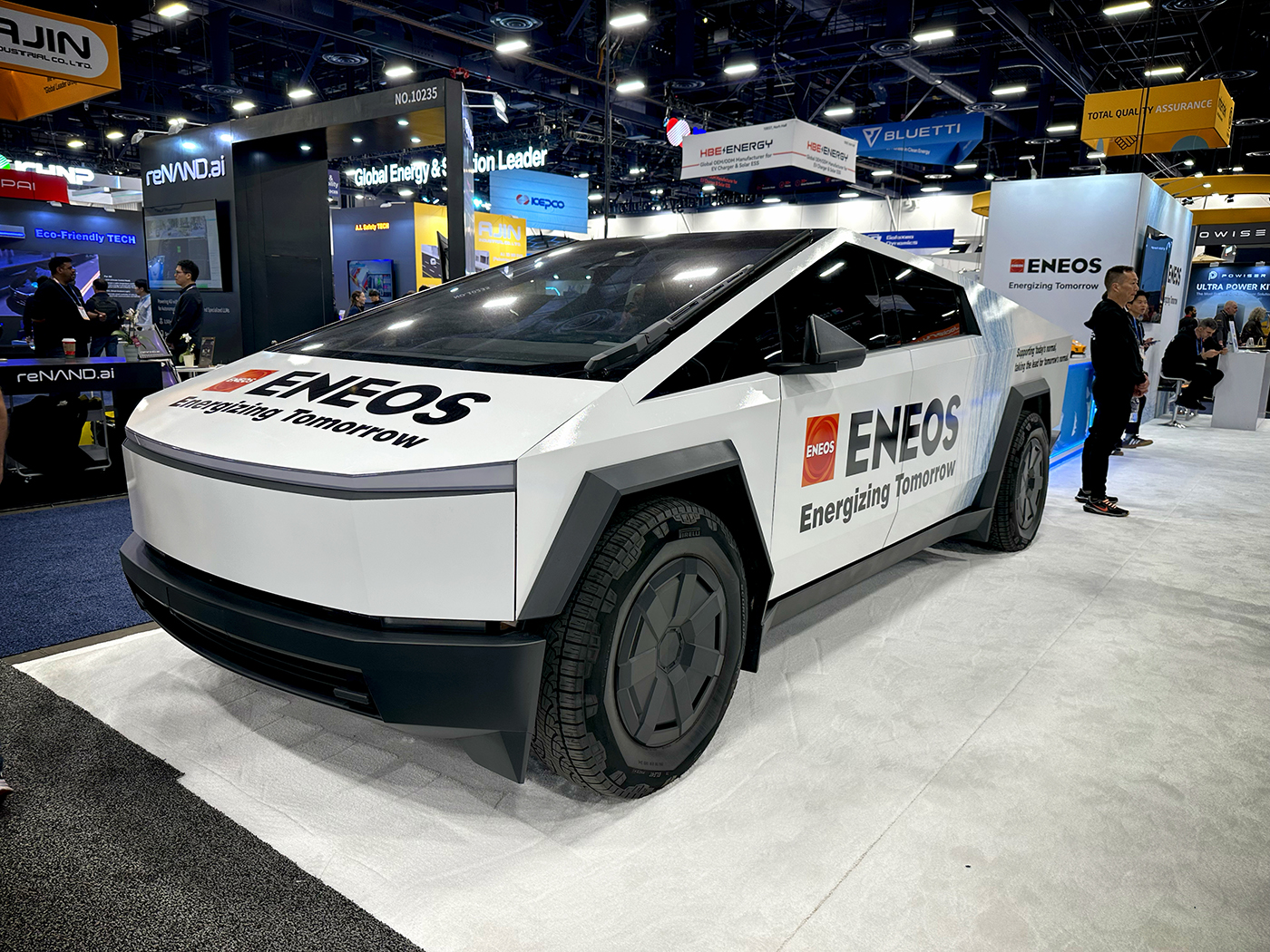
Elsewhere, more practical tech is drawing attention. Maxwheel’s electric scooters point toward everyday mobility, while companies like HBE Energy and ENEOS are focused on infrastructure and energy solutions shaping how connected systems operate at scale.

Share

Tianma Brings Big Screens, Faster Panels, and Car Displays to CES 2026

tianmaAt CES 2026, some of the most interesting display tech isn’t coming from consumer-facing brands, but from the companies supplying them behind the scenes. Tianma, a major global display manufacturer, is one of those players, and its appointment-only showcase in the West Hall offers a glimpse at where screens across phones, cars, and gaming setups are headed.

One of the standout demos is a 108-inch 4K Micro-LED display, built using what Tianma calls the world’s first all-laser mass transfer process on a glass backplane. It’s firmly in prototype territory, but it shows how Micro-LED displays are inching closer to becoming larger and more viable beyond lab demos.

Automotive displays are another major focus. Tianma’s Smart Cockpit 7.0 concept leans into the idea of cars as screen-first environments, featuring a nearly 50-inch curved 8K display, wide head-up displays, and dimming glass designed to replace traditional sunshades.
Continue reading →

Share
Page 1 of 23
1 2 … 23